Experiential marketing is more than an ad or promotional campaign: It immerses your audience in an interactive experience meant to evoke emotion and encourage engagement. An experiential marketing campaign uses connection to turn your audience into active participants rather than casual consumers. Since forming authentic connections is one of Gen Z’s top priorities, creating memorable experiences can set modern brands apart from new viewers.
In this article, we’ll unpack seven real-world experiential marketing examples from brands that used digital and physical events to build a stronger emotional connection with their audience, as well as the benefits of successful experiential marketing strategies.
What’s experiential marketing?
Experiential marketing is also called event marketing, engagement marketing, or grassroots marketing. It’s an interactive, immersive event or brand experience meant to stick with current and prospective customers. Rather than relying on a long-running marketing campaign, an experiential marketing strategy focuses on a one-time or short-lived experience that taps into the target audience’s fear of missing out (FOMO).
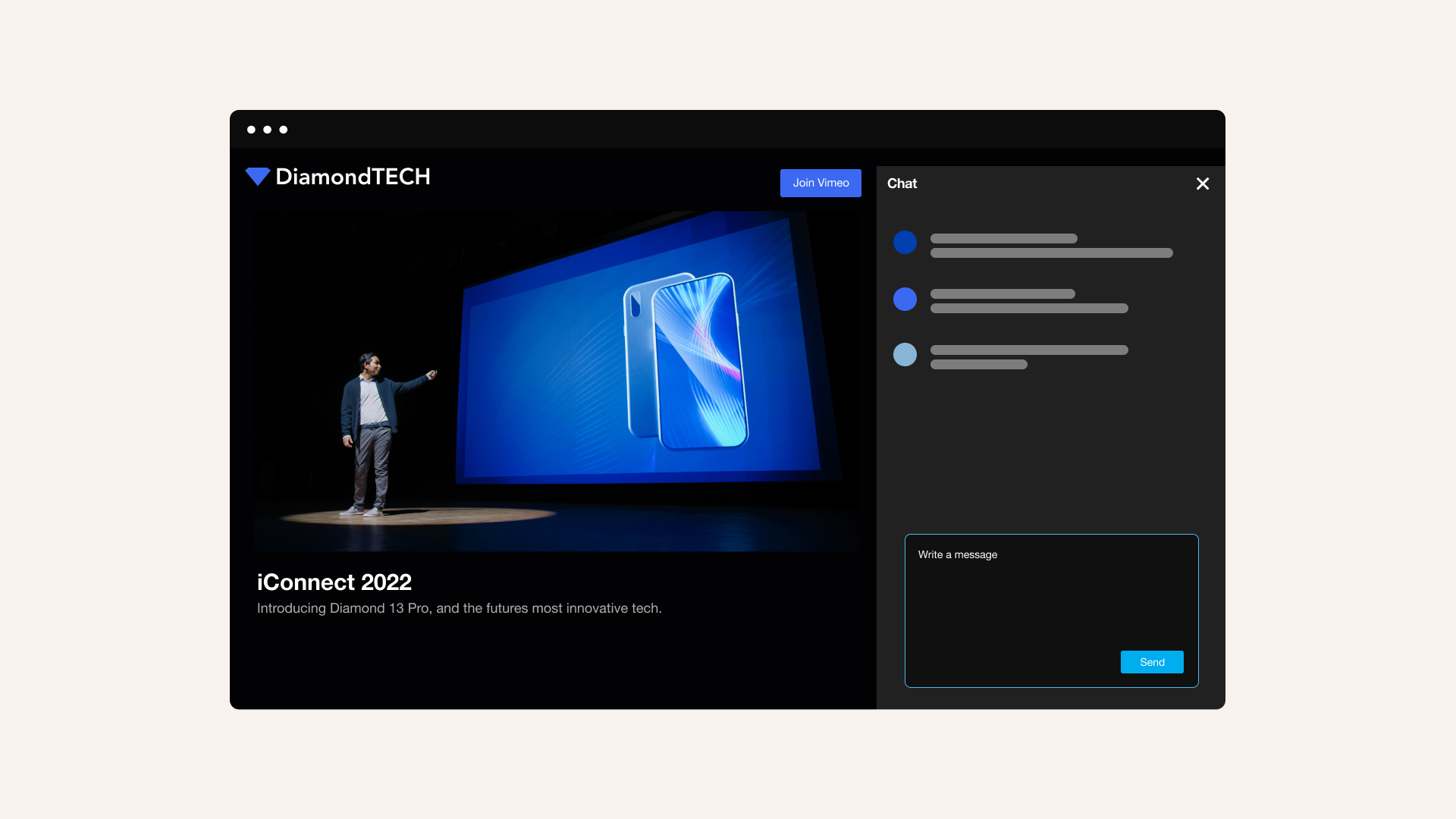
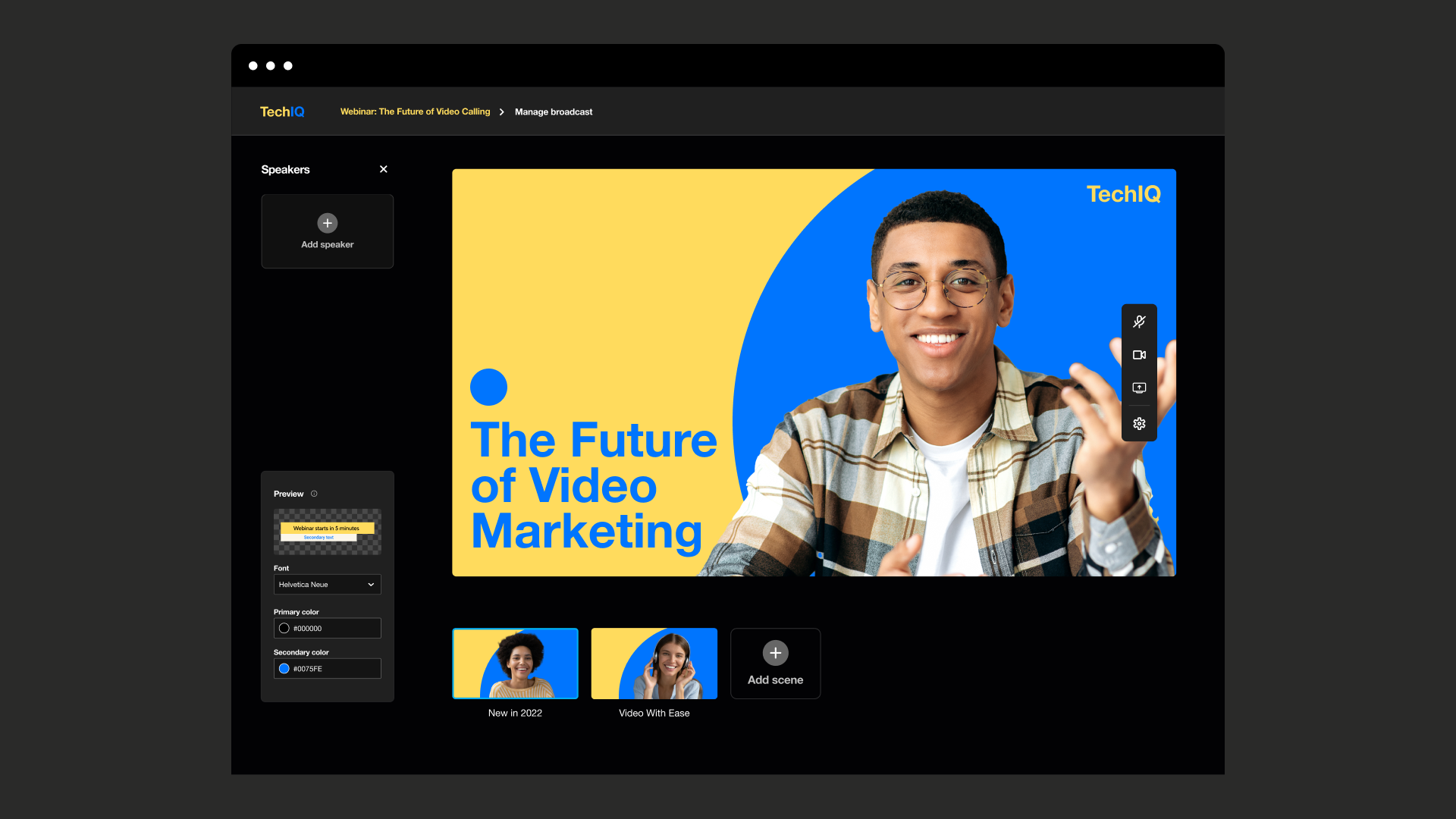
There are just as many opportunities for experiential marketing in online spaces as there are for physical events. Video can play an essential role in these marketing strategies, providing immersive visuals for everything from product displays in the background of an in-person pop-up to live stream event recaps. You’ll need interactive elements to drive engagement and analytic tools to track your success. The Vimeo Streaming platform offers everything you’ll need to create high-quality, interactive visual experiences and learn from your results.
Monetize streaming engagement with Vimeo →
Key benefits of experiential marketing campaigns
While experiential marketing events require significant planning, they offer benefits that traditional marketing strategies don’t. Here are just some of the perks you can unlock from a memorable experiential marketing idea.
Increased audience engagement and activation
An experiential marketing campaign is an excellent way to connect with and quickly convert prospective customers while encouraging current customers to engage more deeply with your brand. Experiential marketing often relies on creative approaches, such as workshops, to capture your audience’s attention and leave a lasting impression. If you can create an emotionally evocative (or just fun) brand activation strategy, your audience will be more likely to feel an impact and share their experiences with friends and family — and potentially bring in more consumers who want to share in a meaningful experience with your brand.
If you want to capture a broader audience than your in-person experiential marketing event but aren’t interested in moving entirely online, try Vimeo’s high-quality live streaming and on-demand video options. Viewers around the world can tune in and participate in your marketing campaign to keep FOMO at bay.
Deeper emotional connection with the brand
Experiential marketing is all about establishing an emotional connection that leaves a lasting impression on participants. When you can make people feel something with your marketing, you’ll build brand loyalty among your audience and brand awareness when they tell their friends or post about it on social media.
Measurable ROI through analytics and interactions
You’ll need to offer several ways for attendees to interact with your event, and each interaction provides an opportunity to capture valuable data about your marketing campaign. Whether you’re hosting a live pop-up event or hosting a virtual seminar, you can capture several useful data points such as the number of participants, how long they engaged, and which parts of the experience were most popular.
Opportunities for content repurposing and social sharing
While the event itself might be short-lived, the footage and buzz you get from it aren’t. You can repurpose video clips from the event for future marketing campaigns, publish attendee testimonials on your website, and reuse parts of the physical marketing materials the next time you put on an event. At every stage of planning an experiential marketing event, consider how you might reuse what you create to maximize your ROI.
7 real-life experiential marketing examples
Designing a memorable experience takes a lot of creativity and collaboration, and it helps to follow the examples of those who’ve succeeded. Here are seven examples of successful experiential marketing ideas to draw inspiration from.
1. Red Bull “Stratos Jump”
In 2012, Red Bull — the favored energy drink brand of adrenaline junkies worldwide — dropped Felix Baumgartner from the stratosphere in a skydive that broke three world records. He also achieved Mach 1.25 during his four-minute freefall, becoming the first human to break the sound barrier.
With such an extreme display, Red Bull wanted its audience to know that they’re interested in pushing the boundaries of human ability, so their products can help you achieve record-breaking feats. It’s an extreme way to drive brand awareness (and we don’t recommend launching your marketing team past the sound barrier). Still, it serves as a compelling reminder to “go big” and create an awe-inspiring experience people will remember.
2. IKEA “Virtual Showroom / AR Experience”
IKEA developed an interactive service called Kreativ that lets people scan their own room with their phone cameras (or select from a generic empty room) and arrange IKEA furniture in it using augmented reality. It’s a very personal experience that improves conversion rates, as customers don’t have to guess if a piece will fit in their room. Kreativ is a more subtle experiential marketing example than others on this list. Still, it’s memorable because it literally meets consumers where they are and establishes that IKEA understands their needs.
3. Coca‑Cola “Share a Coke” Campaign
Coca-Cola’s famous “Share a Coke” marketing campaign began in 2011 and continues to this day. The company prints different names on their bottles and cans so people with those names will form an immediate emotional connection to the product. As Coca-Cola found, customers are often delighted to find their own name on a product, and they’ll frequently snap a picture to text to their friends or share it on social media.
This seemingly casual marketing campaign was a massive hit for Coca-Cola. It was carefully calibrated to be meaningful enough for their audience to share while remaining a relatively simple and inexpensive business move. The Share a Coke campaign is an excellent reminder that sometimes all you need is a minor yet innovative product enhancement to get consumers excited about your brand.
4. Spotify “Wrapped”
Spotify’s yearly Wrapped campaign sends all its listeners a curated collection of their favorite songs from the year, presented in a themed, interactive set of infographics alongside other data about their listening habits. Wrapped leverages each listener’s behavior to evoke nostalgia, familiarity, and that feeling you get when you rediscover a favorite song.
By recalling the emotional connections your audience has already made with your product, you can create deeper, lasting engagement. Doing it annually is an excellent way to maximize brand loyalty, as your audience looks forward to your end-of-year roundup. Suddenly, every interaction becomes part of a longer experience that they’ll get to see wrapped up at the end of the year, leading to more (and more thoughtful) use.
5. Sephora “Virtual Artist” Experience
Sephora’s Virtual Artist mobile app lets users view products and try them on virtually through their smartphone. With a simple camera app, some image recognition software, and a carefully designed user experience, they’ve overcome a significant barrier to digital activation: not getting to try the product before buying.
This simple experience is similar to IKEA’s Kreativ try-before-you-buy experiential strategy, and it’s effective for similar reasons. However, because Sephora carries multiple brands and product lines, the app can revitalize older products and reach new markets both online and offline. To take advantage of an opportunity like this, pick a compelling value proposition, identify barriers to activating it, and then develop an innovative solution that overcomes those barriers in a meaningful way.
6. Warner Bros. “Barbie Selfie Generator”
It’s no secret that the Barbie movie was a huge hit when it launched. Margot Robbie and Ryan Gosling’s performances certainly helped the movie become the highest-grossing film of 2023, but a large part of its success came from the marketing campaign. They tapped into the audience’s pre-existing emotional connection to Barbie dolls of their youth and took every opportunity to lean into nostalgia. One example of experiential marketing the studio used was AI-generated “Barbie selfies,” which were cartoon AI images that made uploaders look like Barbie dolls, packaging and all. This immersive self-generator helped users feel like part of the Barbie world, bridging the gap between audiences and the plastic-wrapped protagonists they adored.
7. Peloton “All for One” Virtual Music Festival
When Peloton put on their first “All for One” Virtual Music Festival in 2022, they delivered a crowd-pleasing concert with headliners like Green Day, Muse, and Wu-Tang Clan. Peloton is a fitness-focused brand, so a music festival may have felt a little out of place. However, the brand emphasized the relationship between fun, fitness, and community in its marketing for the festival. The event quickly grew, and in the following years, it was streamed in high definition to millions of excited participants worldwide. It no doubt takes a massive investment for Peloton to get these artists and put on a high-quality show, but it also helped them achieve brand activation and deepen existing customer relationships in record time.
FAQ
What are the five Cs of experiential marketing?
The five Cs of experiential marketing help teams focus on what matters most when developing an immersive, meaningful experience for their audience:
- Connection: A truly immersive experiential marketing event generates an emotional connection with attendees using familiarity and nostalgia, excitement, or a meaningful or motivating message.
- Conversation: Delighting an audience starts an ongoing discussion and encourages attendees to share information about the event (and your brand) on social media, in person, or both.
- Collaboration: Interactive experiences encourage participants to actively engage and shape how the event unfolds.
- Creativity: The best experiential marketing strategies are bold and unique, building brand awareness and showing your offering is the only one of its kind.
- Context: The experience must fit into a larger narrative, supported by standards set by other marketing campaigns that meet your target audience where they are and with what interests them.
Why does experiential marketing work?
People value experiences over traditional advertising campaigns. Whether they're visiting a merch booth at a festival or interacting with a brand ambassador in virtual reality, experiences are simply more immersive, memorable, and personable than ads. They help attendees feel like they’re being spoken to directly as people, not just customers, to drive engagement by making meaningful connections that audiences will remember for years to come.
How do you measure the success of a digital experiential campaign?
Experiential activations are actually much easier to measure than a typical marketing campaign because attribution is significantly easier. If you can pull off a big advertising stunt like Red Bull or offer an innovative virtual experience like Peloton, it’s immediately apparent where upticks in impressions or sales came from. These events also usually have several touchpoints you can track engagement, such as registration forms and viewer counts.
Bring experiential marketing to life with Vimeo
Every experiential marketing campaign can be enhanced with video in some way. Whether it’s an interactive virtual seminar or a live performance, videos add visual flair that stirs emotions and builds hype.
With a comprehensive, intuitive platform like Vimeo, you can generate even more engagement through on-demand videos, live streaming, and an interactive, ad-free player. Coupled with detailed viewer analytics, these features can help you create a more memorable experience that activates your brand while providing valuable insights into your audience.
Check out the entire Vimeo Marketing platform for more information about how you can maximize audience engagement with innovative features that are bound to impress your target audience.