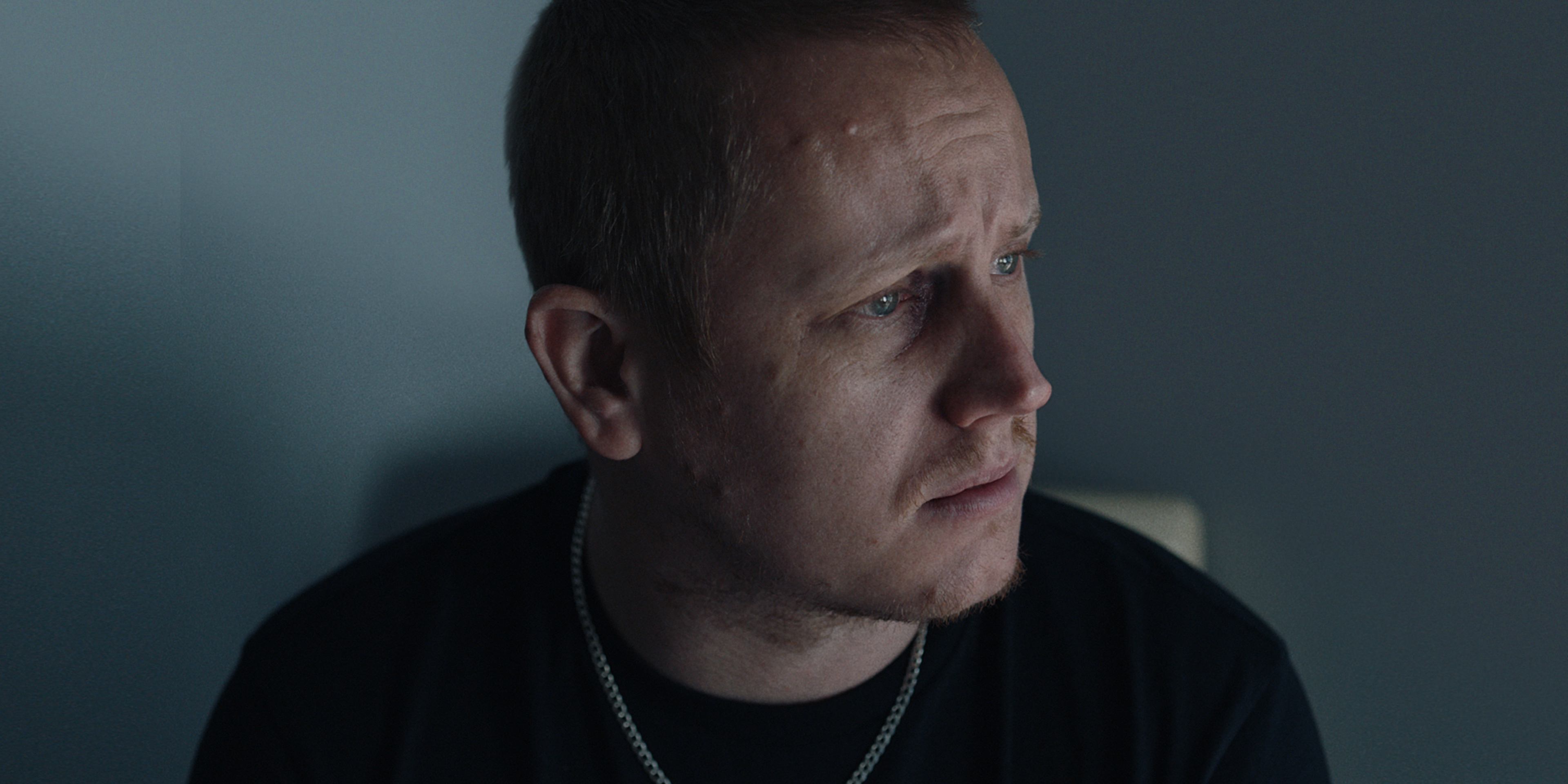
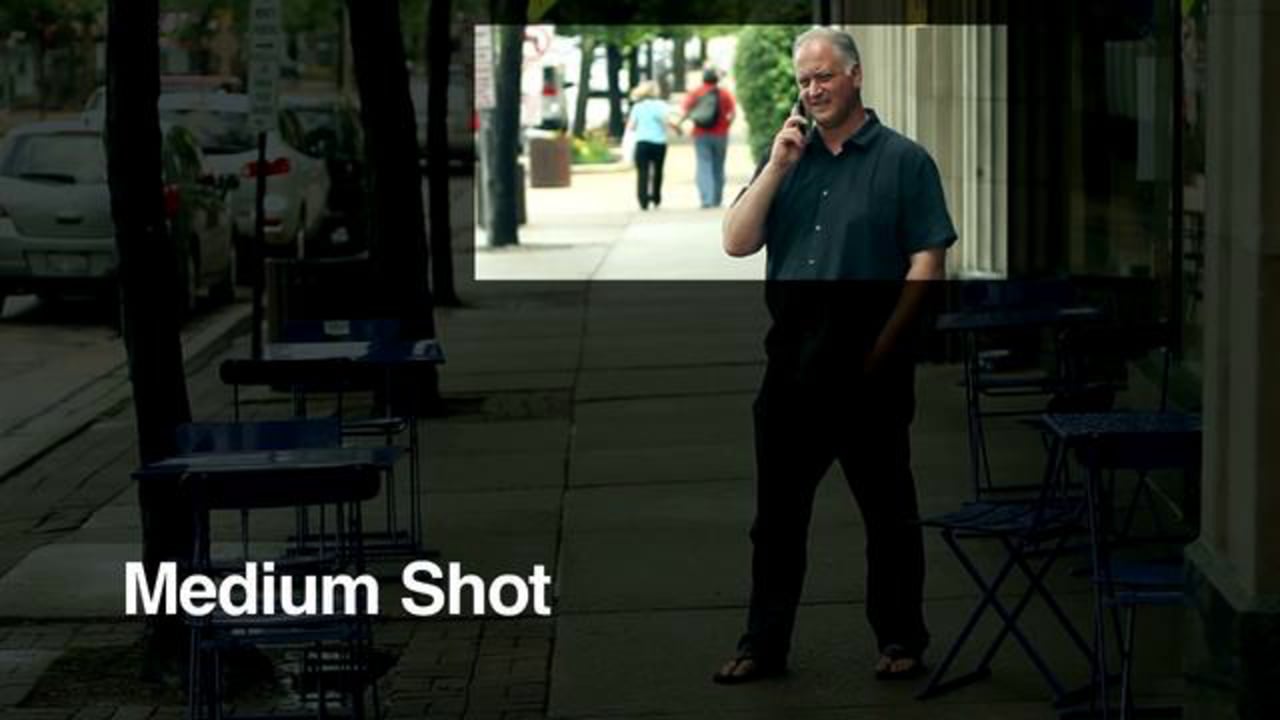
Framing and composition is one of the most easy to explain, but difficult to master, topics in video making. In the video below by Caleb Pike, along with Guy Silagi, you get a nice introduction to some of those basic principles. Here are the three main types of shots used in character based storytelling- Full – A full shot shows the entire subject’s body from head to toe. It’s used to give a subject context in their setting. In the video above we see Guy Silagi standing outside on a sidewalk and with that information we can see how he’s physically relating to his surroundings. Full shots are sometimes used as establishing shots. An establishing shot tells you where the story takes place, also known as the setting. Medium – A medium shot shows the subject from about the hips or waist up. It’s useful for a when a subject is conveying information and it still allows you to still see them interacting with their environment. With a medium shot the setting has already been established in prior shots and more emphasis is being placed on the subject. Close – A close shot, also called a close up, focuses on the subject’s face. As noted in the video above, you don’t want to give too much headroom, bring the shot in close to show the head, neck, and a bit of the shoulders. This type of shot places emphasis on the subjects facial expressions to help convey the emotion in a story. If you zoom in even more you can get what’s called an extreme close up. For example, a shot of a subjects’ eyes or mouth will show and emphasize an expression during an important moment. Now that we’ve covered our basic types of shots let’s discuss where on the image frame we place our subject. In the video below by D. Eric Franks we’re introduced to the rule of thirds and are shown several examples of professional movies that utilize it.
Simply put, the rule of thirds is a method of composing your shots. Imagine that your frame has lines running though it, two horizontally, and two vertically. Together these lines divide the frame into 9 squares. Where the lines intersect are points where you want to put your subject. Aesthetically this will make your shots more interesting to the eye. Generally it’s boring to perfectly center your subject, you want them a bit to the left or the right of center. This also applies with horizon lines, don’t center the horizon so it divides the frame into even top and bottom halves. Instead have the horizon run across the lower or upper third of the image frame.
Above is another handy tutorial, by Jayne Whitelock, on the rule of thirds for reference. The rule of thirds is essential in painting, photography, and of course videography. It can take a lot of practice to masterfully apply it but with a little experimentation you’ll catch on and your videos will look better for it. By applying the rule of thirds, along with getting a handle for when to use full, medium, and close shots I have no doubt your videos will blossom into engaging stories that draw in your viewers. Feeling like you’ve mastered the basics? Here are five tips for you to instantly improve your composition like a pro!
Vimeo offers creators tools for video hosting, a text-based video editor, timeline editing features, video graphics capabilities, and an image-to-video converter.