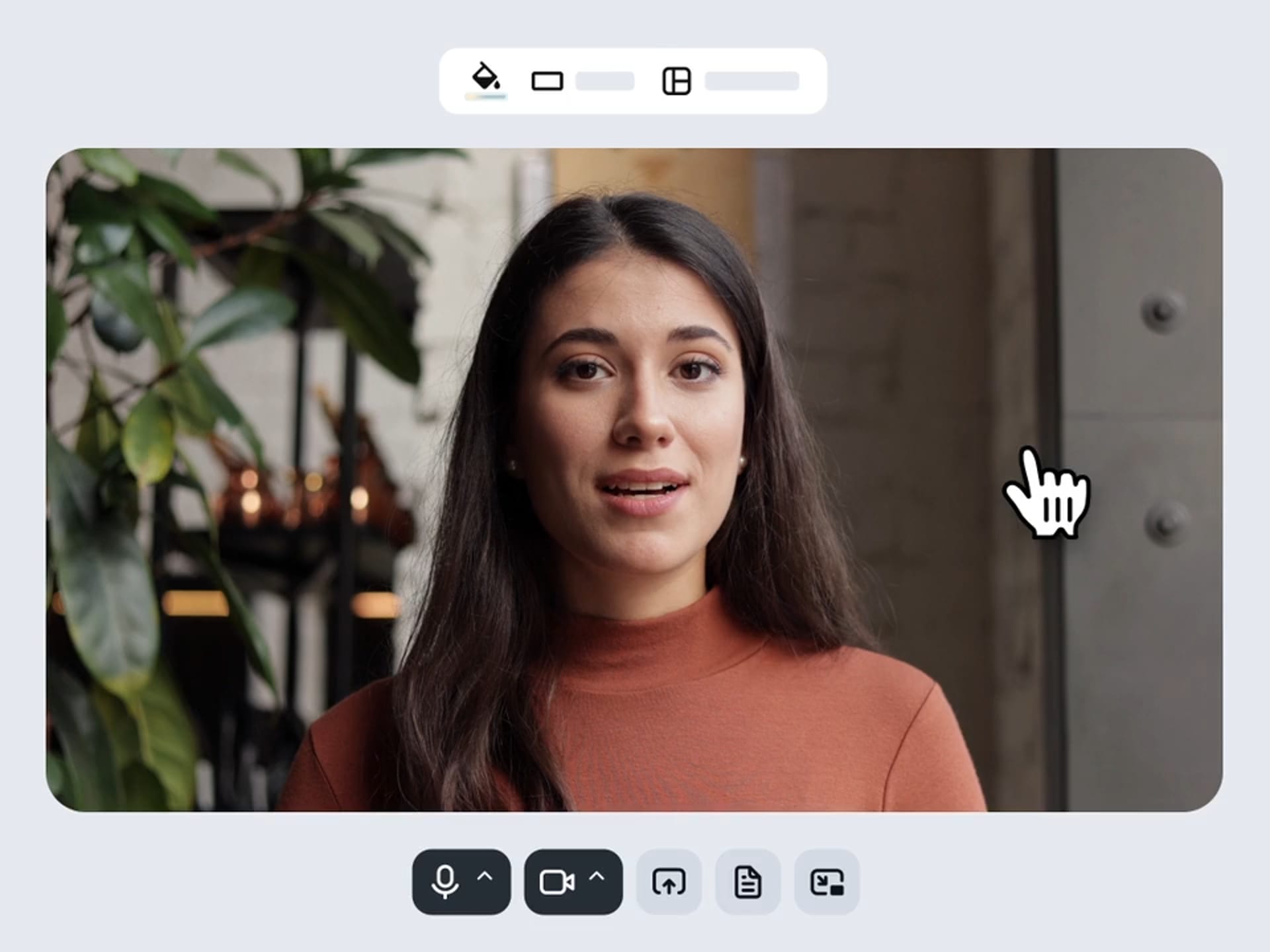
Going live takes a lot of effort and time, so to maximize your reach, you’ll want as many viewers as possible for each stream. Multistreaming helps both creators and marketers show up wherever their audiences prefer, while keeping their live-streaming workflows simple and consistent.
This article walks through some basics, the best multistreaming platforms, and how Vimeo gives you a stable, high-quality foundation for sharing a single broadcast to multiple destinations.
What’s multistreaming, and how does it work?
Multistreaming (often referred to as simulcasting) means sending one live video feed to several destinations at once, instead of using a single channel. You’ll multistream once from a central live-streaming platform, and that platform will distribute your video to multiple streaming sites.
There are two main ways you can stream on multiple platforms at once:
- Streaming software. You’ll use traditional broadcasting tools to create and configure your stream. Then you’ll send your broadcast to a separate multistream service, which shares your feed to several platforms at once.
- Platform-to-platform multistreaming. Some tools, such as Vimeo Live Streaming, cut out the middleman by hosting your live stream and pushing it to multiple channels, all from one dashboard.
Benefits of multistreaming for businesses and content teams
Multistreaming gives your live content more reach with less effort — here are the advantages of this approach.
Expand audience reach across social platforms
One live-streaming session can show up in several social feeds at once. This gives your stream greater reach and lets each platform’s algorithm recommend your broadcast to different groups of potential viewers.
Increase engagement with multiple communities
Each streaming destination has its own chat behavior and peak hours, so it’s hard for a single live stream to meet everyone’s expectations. Multistreaming helps you test which communities respond to what content and techniques, and lets you focus on the destinations where comments, reactions, and watch times are strongest.
Maximize ROI on live content
Live streams take time and budget, but your returns improve when each broadcast reaches more viewers. The same production hours lead to more watch time and conversions — especially when you carefully track key video analytics with a tool like Vimeo, then use what you learn to make future streams even more efficient.
Common multistream challenges and how to overcome them
Even when your content looks great, technical problems can derail a multistream fast. Keep an eye out for these common issues.
Internet bandwidth limitations
Your streaming bandwidth is often the first bottleneck, even when your live-streaming platform can comfortably route the feed to several destinations. If you see dropped frames or buffering during tests, lower your resolution or bitrate slightly or switch to a wired connection. That way, your broadcast stays watchable even when local connections fall short.
Trouble syncing audio and video across platforms
Each streaming platform may buffer or process your feed in a different way, which can create small timing gaps. Viewers might notice that audio feels slightly ahead of video or chat messages seem out of step with replies. To avoid this, start with a short private test, add a small audio delay in your encoder if needed, and keep your audio setup simple, so there are fewer places for latency to creep in.
Platform-specific restrictions
Streaming sites also treat orientation and aspect ratio differently, especially when you mix mobile-first social channels with more traditional widescreen players. Before you go live, pick a primary format — often 16:9 for business or event streaming — and frame your shot with enough space that platforms can crop or resize the video without losing important elements.
6 best multistreaming platforms
Whether you need a simple app to go live on multiple platforms or a full production suite with advanced features, here are six popular platforms you can try.
1. Vimeo Live Streaming
Vimeo live streaming offerings benefit from a professional platform for creators and teams that want polished productions and measurable results. You can go live right from Vimeo’s browser-based studio, or bring in a feed from your preferred encoder and multistream the broadcast to several destinations.
Either way, you’ll benefit from robust Analytics and AI tools for automatic captions and on-screen scripts. Plus, Vimeo’s encoding pipeline with adaptive bitrate and live-event support team work together to keep technical issues from interrupting your stream.
Pros:
- Browser-based studio for professional live streaming, with built-in multicasting to major platforms
- Enterprise-grade secure video streaming at high resolutions and frame rates
- Advanced Analytics that help you track streams and make improvements
Cons:
- Multistreaming and other high-end live features are only available on Advanced and Enterprise plans
- The feature set can be more than needed for solo creators who want a simple multistreaming tool
Pricing: Multistreaming starts at $75/month, billed annually
Multistream your next event or promotion with Vimeo →
2. Streamlabs
Streamlabs is a desktop platform designed for creators who want an easier way to set up alerts and monetization tools. You’ll produce a broadcast in Streamlabs, then use its free Dual Output feature to multistream to one horizontal and one vertical destination. You can also upgrade to the Ultra plan and send that same live-streaming session to more platforms.
Pros:
- All-in-one streaming software with overlays and donation tools
- Multistreaming supported directly in the app
Cons:
- Can use a lot of system resources
- True multistreaming is locked behind the Ultra plan
Pricing: Free version available; Ultra plan starts at $15.75/month, billed annually
3. StreamYard
StreamYard is a browser-based studio designed for multistreaming interviews, webinars, and panel shows. Guests join with a link, and you can broadcast the same show to different sites from one dashboard, all without installing software or managing complex encoder settings.
Pros:
- No-install studio designed for multi-guest shows
- Built-in branding, comments, and screen sharing
Cons:
- Multistreaming and advanced branding require paid plans
- Limited customization when compared with desktop software
Pricing: Free plan available; pricing not publicly displayed
4. Restream
Restream is a cloud-based platform for streaming to multiple sites — it can send one feed to 30+ supported destinations. You can pair this tool with software for creating complex streams, or use Restream’s browser-based studio for a simple “go live now” setup with managed local encoding.
Pros:
- Wide destination support and unified chat
- Studio options for going live without desktop software
Cons:
- Advanced layouts still require external encoders
- Some useful live-streaming features are restricted to paid plans
Pricing: Free plan available; paid plans start at $16/month, billed annually
5. OneStream Live
OneStream Live specializes in cloud multistreaming and scheduling, letting you push both live and pre-recorded content to dozens of platforms. It works well for teams that use 24/7 channels, automated rebroadcasts, or pre-produced segments in their live-streaming strategies.
Pros:
- Scheduling tools for recorded videos and automated streams
- Broad destination support, with cloud processing that reduces local load
Cons:
- Some learning curve when setting up mixed live and scheduled events
- Pre-recorded streams may have delays if configuration isn’t tuned carefully
Pricing: Free tier available; paid plans start at $12/month, billed annually
6. OBS Studio
OBS Studio is free, open-source streaming software used by streamers who want full control over encoding and audio/video routing. Although it doesn’t offer built-in multistreaming, it pairs with services like Vimeo and Restream, letting you keep production in OBS Studio while sending a single feed to your multistreaming platform.
Pros:
- Free, flexible, and customizable with plugins
- Works with every major streaming platform and encoder setup
Cons:
- No native multistreaming or analytics
- More technical than browser-based options
Pricing: Free on Windows, macOS, and Linux
How to choose the right multistreaming platform
When deciding how to stream to multiple platforms, use these criteria to narrow the field:
- Target audience and destination: Consider where your viewers already spend time, and make sure the platform can broadcast to those sites, along with any custom real-time messaging protocol destinations you need.
- Budget and pricing model: Compare plans, add-ons, and limits on destinations or hours, so you know what you’ll pay when your streaming schedule scales up.
- Technical setup: Decide whether you want a browser-based studio or to pair the service with your own encoder, and check recommended upload speeds so your streams are always stable.
- Features and workflow: Prioritize the most important tools, such as analytics, overlays, team roles, and integrated live chat.
FAQ
Can I multistream for free?
Some video tools offer limited free multistreaming, such as sending your broadcast to one or two destinations from a short list. If you want more control and higher-quality outputs, you’ll need a paid multistreaming plan.
Is multistreaming from a phone reliable?
Multistreaming from a phone can be somewhat reliable, but performance depends on your connection and which app you use. Phones rely on Wi-Fi and mobile data, which can fluctuate during a live broadcast. For more stable multistreaming, opt for a desktop setup or send your phone feed to a reliable live streaming platform.
Why does my multistream lag or buffer?
Lag is often caused by a weak or inconsistent upload connection or settings that push your streaming bandwidth too hard. Try lowering your bitrate and choosing a live streaming platform that can adjust quality automatically when your network dips.
Create quality, effective multistreams fast with Vimeo
Multistreaming helps you reach viewers wherever they prefer to watch, without wasting time and resources juggling separate broadcasts. The right platform can save even more effort, improving the way you produce streams and giving you control over quality and analytics tracking.
Vimeo gives you a reliable live streaming platform with easy multistream setup and robust production tools. You can share high-quality and reliable streams, then track the results to strengthen your strategy over time — all in the same place.