Trend-setting content strategies have expanded into the ways we think about and share developing industry data. Thought leadership places you and your brand on the cutting edge by showcasing your unique expertise and offering insights into the future of your field.
When done right, videos, blog posts, and podcasts can build your credibility with audiences who are eager to learn. This article will provide several thought leadership examples for inspiration as you design a content strategy with your team.
What’s thought leadership?
Thought leadership describes any content that informs and influences its target audience's perspective on new and developing topics. Unlike other kinds of marketing content, thought leadership focuses on establishing a person’s authority and credibility to turn them into a trusted expert.
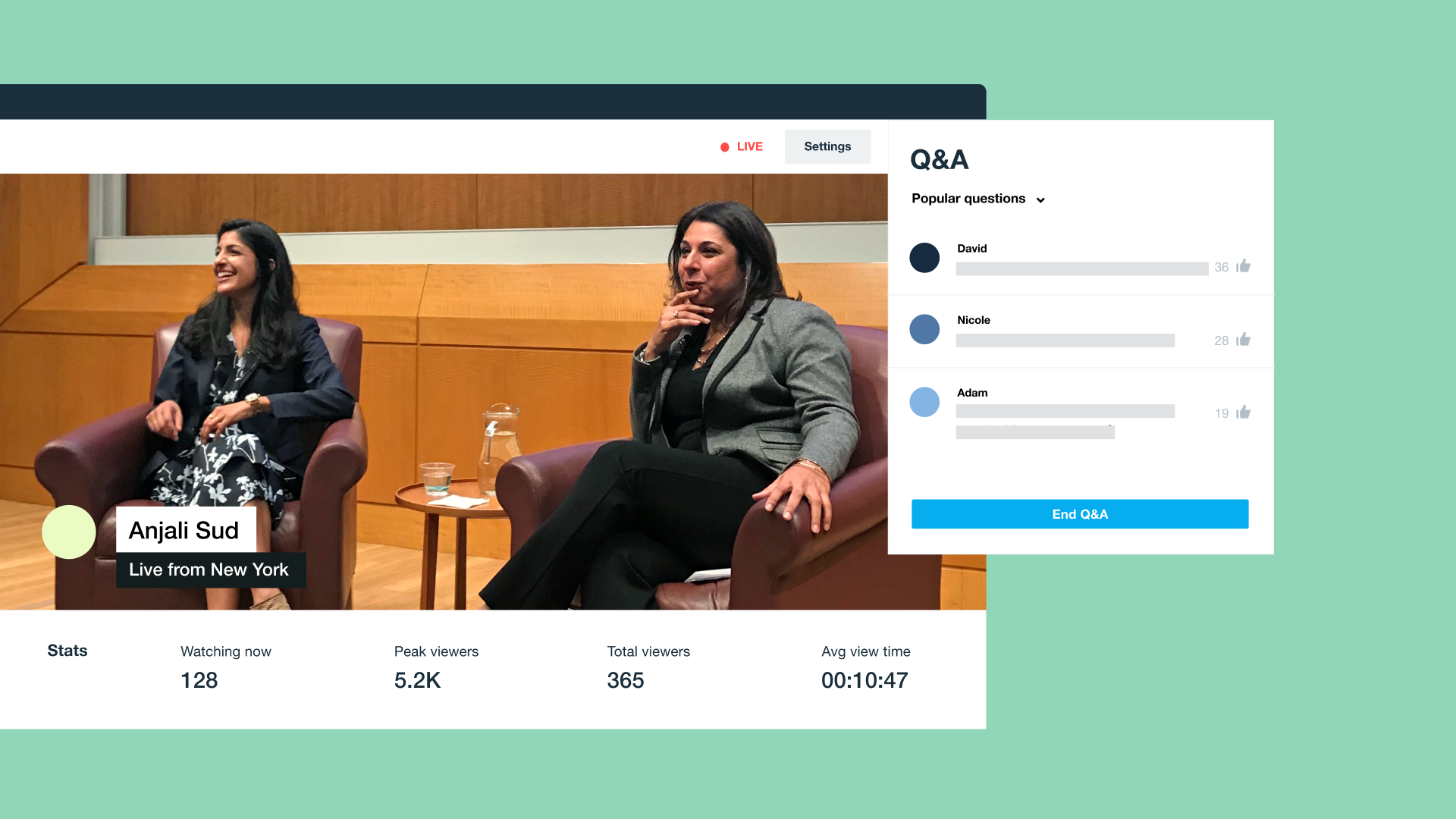
There are many types of thought leadership strategies, like an online webinar offering insights into new tech, a livestreamed Q&A about a recent scientific discovery, or an informative fireside chat hosted by an industry leader. Videos are a popular way to present this information, but as long as you’re discussing and shaping ideas about new trends, you’re creating thought leadership content. Podcasts and social media posts (especially on LinkedIn) are also valuable thought leadership tools.
See content marketing at its best on Vimeo →
How thought leadership drives business value
Your reputation as a thought leader adds brand awareness, but an audience’s trust in your credibility can shift their next interaction from reading a LinkedIn post to reaching out for a consultation.
Here’s how connecting with your audience using thought leadership can add business value:
- Builds trust before a sale: If you’re considered the expert on a topic or new product type, consumers will trust your offering more at the outset. They’re more likely to go to you first, giving you more opportunities to make a sale.
- Differentiates brands in crowded markets: Successfully positioning yourself as a thought leader sets you apart from competitors who are still catching up on recent trends.
- Supports sales and partnerships over time: Other companies will want to associate themselves with your brand, seeing an opportunity to benefit from your trailblazing — and they’ll bring their customers with them.
- Strengthens executive and brand credibility: Thought leadership content means you’ll become part of your brand’s identity, adding a face to your company that audiences will remember.
Examples of effective thought leadership content
A good thought leadership strategy features forward-thinking ideas and engaging speakers. Here are five strategic thought leadership examples.
1. Executive interviews or founder POV videos
Executives are great thought leaders because they already have authority in their industry and know how to use communication strategies for their success. Audiences trust them as spokespeople because their positions add credibility to their messaging.
Wendy Brauner provides an inspiring example in this informative interview with Alexander Group. She shares her perspective on the importance of diversifying skills and talents today, and her versatile experience in marketing, sales, and product management makes her a great fit for delivering this message.
2. Industry trend explainers and educational series
Ethan Smith is the CEO of Graphite, a growth agency focused on building brands through targeted SEO and AEO. In this explainer video, he breaks down the difference between SEO and AEO and offers insights into the enduring value of user generated content (UGC). As AI plays more of a role in how people search online, this topic is both relevant and engaging. Ethan’s expertise positions him as a leading voice in a technical field on the cutting edge, and he leverages that to build credibility not just for himself, but for Graphite as a whole.
3. Webinar recordings and expert panels
Webinars bring thought leaders together to share perspectives and compare notes on their expertise. Each leader brings part of their own audience to create a wider viewership than one traditional interview could. Plus, it’s easy to host a webinar, whether it’s live or pre-recorded.
In this long-form webinar during Front-End Test Fest, Joe Colantonio moderates a panel of technical thought leaders: Tiffany Le-Nguyen, Skyler Brungardt, Nick Taylor, and Dan Giordano. He introduces the topic (trending tools), asks a few pointed questions, and the experts gladly share insights and build off each other’s ideas. It’s a compelling way to capture the bleeding edge of an ongoing conversation because it’s engaging but still laid-back and accessible.
4. LinkedIn posts
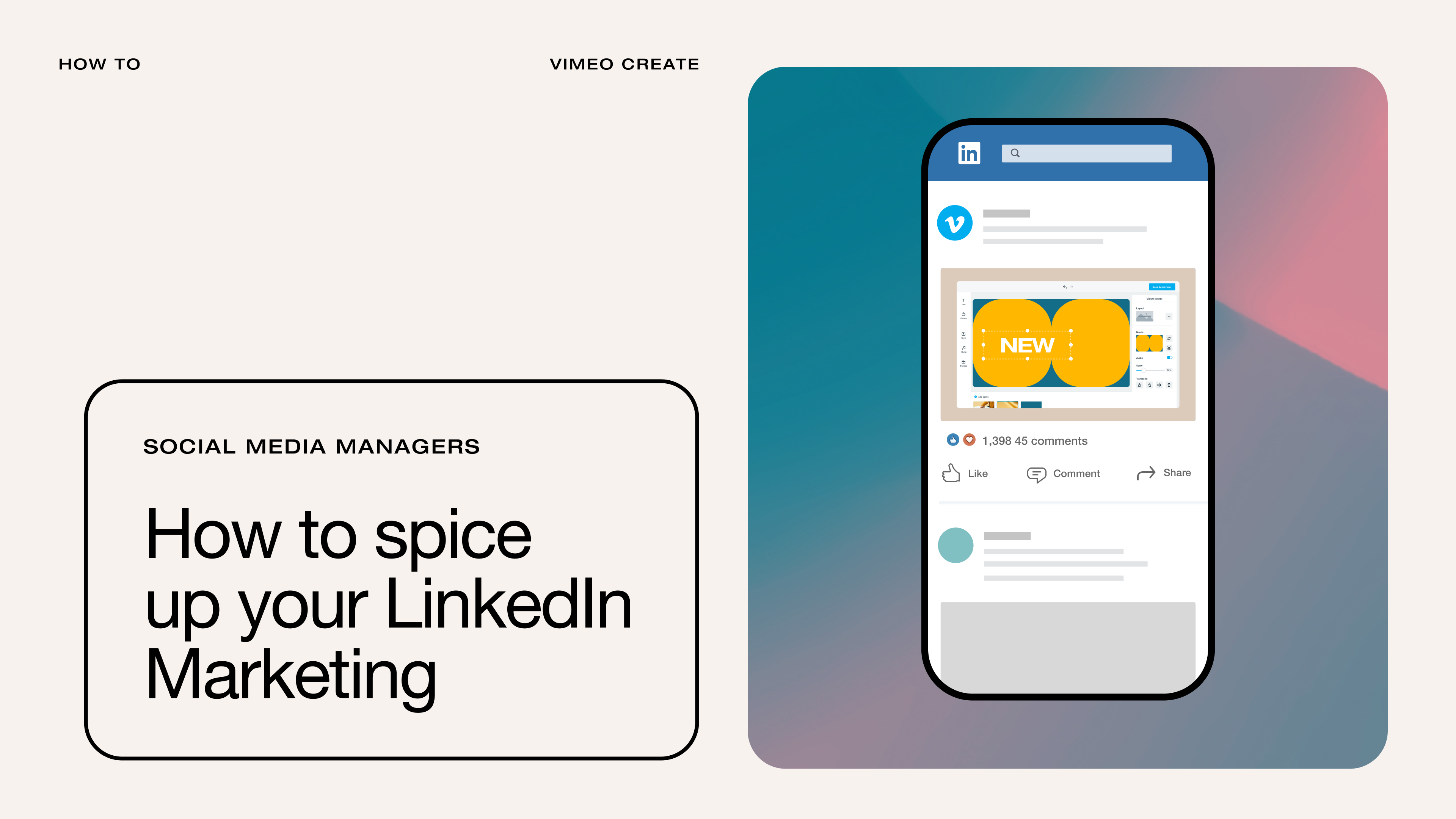
LinkedIn posts tap into a broad audience that’s actively looking to learn from credible leadership content. The social media platform is a great place for thought leaders to publish blogs, share up-to-the-minute content, and embed and release videos. This presentation from Mercury Creative Group brings together its founder, Justin Bieganek, and the CEO of Curtis Strategy, Eric Curtis, to discuss how to lead major organizational change. They shared the presentation on LinkedIn to their thousands of followers. Since it’s a relevant topic for many young business leaders, even if they aren’t following these industry experts, it’s likely it’ll still organically reach their feeds through their peers.
5. Book panels
Book panels highlight authors who use storytelling to codify new ways of thinking. The Rising Stars in Young Adult literature panel platforms a few emerging authors with fresh insights into the genre. Every time a budding author shares a valuable tip or a publisher tells viewers about a new trend, the Mississippi Book Festival gains credibility as a trustworthy source of new ideas.
Book panels aren’t limited to novels, either — nonfiction and self-help books are one way non-literary thought leaders can share their ideas with their audience, and talks covering the same scope as the Mississippi Book Festival’s panel are just as valuable.
Live stream with confidence on Vimeo →
Ways to position yourself (or your business) as a thought leader
The best way to become a thought leader depends on your industry, target audience, and brand strategy. Here are some methods that have worked for others.
Identify a clear niche or expertise area
Understand what you bring to the table and find a niche where that expertise is needed. Maybe you can apply insights from one field for a developing technology, or your years of leadership experience fill a mentorship gap. Then research that niche to understand what kind of content its audience prefers — like social media, live streams, or podcasts — and how they find and consume that content. Meet them where they are, and adapt your voice and content strategy accordingly.
Develop a repeatable content format (especially video)
Create a reusable template for each type of content to establish a recognizable, branded aesthetic. This is especially important in video content, where a clean layout is essential for grabbing attention and building credibility. With so many channels vying for their attention, audiences can afford to be picky about what they engage with. A memorable visual style, leveraged consistently, helps you stand out from the crowd. Vimeo lets you add custom branding to your videos so it’s always clear who made it.
Share original insights backed by experience or data
Take chances on new ideas and don’t be afraid to be the only one saying something. To become a thought leader, you have to be willing to stand out. Just make sure you have the experience and data to back up any claims you’re making. Cite reliable sources, like scientific journals, verified white papers, and independent studies, to establish your credibility and turn the conversation your way.
Publish consistently across owned channels
Publish content at a regular cadence so your audience knows when to expect your next insight. Use an integrated video library service like Vimeo to distribute your content across multiple channels, which will help you reach a wider audience without much extra effort. You should also direct your audience to all the places where they can find your content: Social media posts can link to your website, where you also host live streams that point viewers back to your social media, creating an interconnected funnel with several entry points.
Measure engagement and refine topics
As you start sharing your thought leadership content, pay close attention to your engagement metrics to discover what’s working and what isn’t. Use a detailed analytics tool like Vimeo Analytics to get a granular look at audience behavior (like popular regions and watch time) that can help you surface better insights.
Be quick to try different content types and slow to throw out whole subjects. For example, if a 15-minute video about emerging design trends isn’t catching on, try a 60-second video or blog articles on the same topic to see if you can repurpose clips and all the research you gathered for something else.
Build your thought leadership with Vimeo
Designing and delivering on a thought leadership strategy takes originality and a knack for picking the right topics at the right times. That’s especially true for video content, where longer development times make forethought and streamlined workflows a must.
Vimeo is a professional video platform where you can record, edit, and host all your video content in a centralized library. It integrates seamlessly with your other marketing platforms, streamlining how you create thought leadership content and share it with your audience.