Most marketing teams have a video library, but fewer have a clear video strategy. For your content to be successful, it has to speak to the right audiences and understand where each is in the conversion funnel.
A product demo that goes out before a prospect knows about your brand won't convert, and neither will a testimonial video buried on a page decision-stage buyers never reach. Mapping content delivery to each part of the customer journey is what separates a video marketing funnel from a library of great clips that don’t get results.
In this guide, we’ll explain how to prepare videos for each major stage, and offer some advice for distributing your content and tracking the results.
What’s a video marketing funnel?
A marketing funnel describes what your audience needs at each stage of their journey, from first contact with your brand through to purchase decisions. The goal is to move viewers from awareness to conversion, using formats and messages that align with where they’re at.
Video is a great way to engage audiences at each stage, but you can’t use the same content throughout. The format, length, and tone that build brand awareness at the top of the funnel likely won't close a deal at the bottom. Content that isn't aligned to a specific objective also tends to underperform, regardless of production quality.
Funnel stages are commonly grouped into three tiers:
- Top of the funnel (ToFu) content focuses on awareness, reaching audiences who don’t know your brand yet.
- Middle of the funnel (MoFu) content guides consideration, building trust with audiences who are evaluating their options.
- Bottom of the funnel (BoFu) content encourages conversion, giving decision-ready buyers the evidence they need to act.
Best video content for each marketing funnel stage
Matching video content to viewer intent is what makes each piece drive results, rather than just adding to your view count. Here’s how.
ToFu: Reaching a cold audience
At the top of the funnel, your audience doesn't know your brand yet. The goal is awareness, not conversion, and too much product detail can overwhelm or alienate potential buyers.
The formats that perform best at this stage are built for reach and shareability. For example, brand videos establish who you are and what you stand for, without asking anything specific of viewers just yet. Short social clips extend that reach into the feeds where your cold audience already spends time. Keep both types of content focused on recognition, not features.
MoFu: Building trust with audiences
These audiences know something about your brand, and they're deciding whether it's worth their attention. At this stage, it’s important to demonstrate value instead of asserting vague claims.
Let’s look at a few examples of effective MoFu content:
- Webinars give you extended time with interested audiences.
- Q&A videos address the objections buyers are already forming.
- Product explainers show how something works, without requiring a sales conversation.
BoFu: Giving decision-ready buyers what they need to act
These viewers are close to a decision. What they need at this point isn't more information; it's confidence. Customer testimonials and case studies provide social proof that removes doubt, showing concrete outcomes from real buyers rather than marketing claims.
To convert at this stage, make sure your video content is specific enough that the buyer can see what they stand to gain. Also, each BoFu video needs a clear call to action (CTA) that guides viewers toward the next step.
How to distribute your video content
Where and how you distribute a marketing video determines whether it reaches the right audience at the right moment in the customer journey. Following are some tips for each stage.
ToFu distribution: Maximizing reach
At the top of the funnel, the goal is visibility. Social media and paid ads are effective channels, because they give you access to audiences who have no prior relationship with your brand.
Broad targeting is appropriate at this stage, since you're not trying to reach the right people with precision. You're trying to reach enough of the right audience to fill the top of your funnel with plenty of prospects, improving the odds that some of them will make it to the bottom.
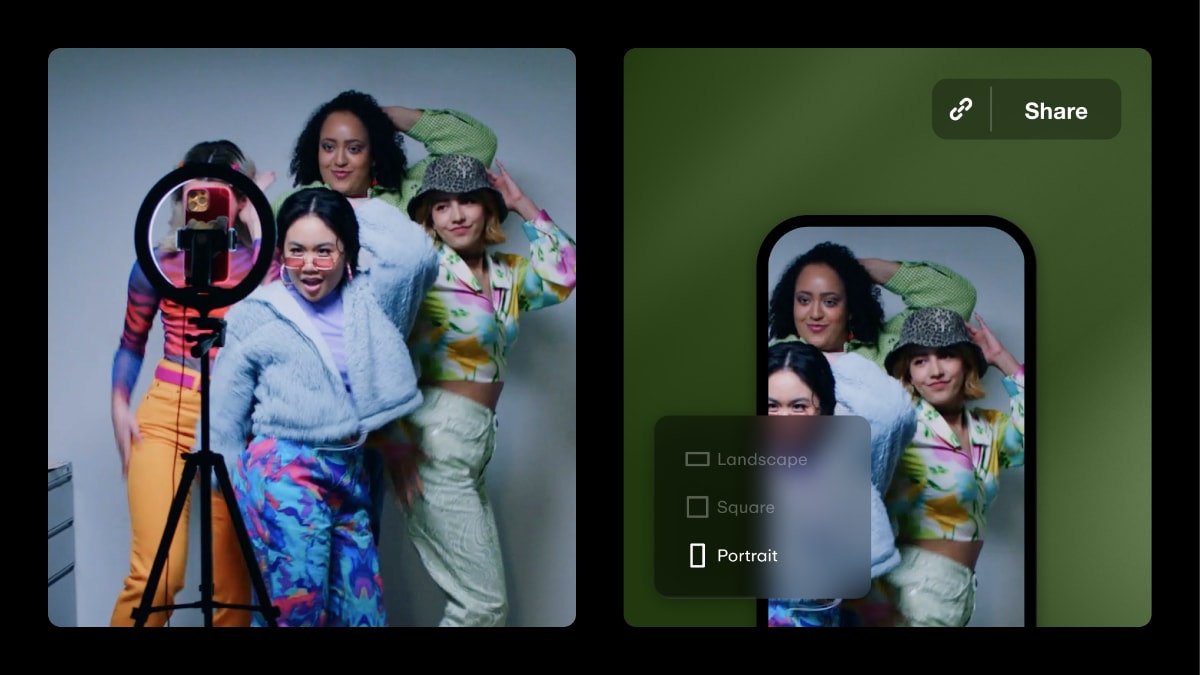
In addition, platform-native formats perform better than repurposed content. A video designed for YouTube won't land the same way in a TikTok or Instagram feed. So design your ToFu content around each specific channel you’re targeting.
MoFu distribution: Cultivating interest
MoFu distribution targets people who’ve already interacted with your brand in some way — such as by visiting a page or engaging with an ad. To build on that initial interest, you can use these distribution strategies:
- An email campaign to a warm list delivers video content directly to people who’ve opted to hear from you.
- Retargeting ads re-engage audiences who didn't convert on first contact.
- Gated webinar replays collect contact details, while giving viewers something worth their time.
BoFu distribution: Driving intent
With BoFu distribution, the target audience is smaller, but each person in that audience is close to a decision. Direct email works well at this stage, as do techniques like:
- A sales rep sharing a relevant case study video in a follow-up email to drive conversions.
- A video embedded on a pricing page, meeting buyers at the exact moment they're weighing a commitment.
Share your marketing videos with Vimeo →
How to measure whether your video content gets results
The metrics you use to evaluate video performance should match each funnel stage’s primary goal. Judging a ToFu video based on conversion rate sets it up to look like a failure, while measuring a BoFu video using view count alone misses the point.
Let’s look at the video metrics that matter most at each stage.
ToFu metrics: Volume and visibility
Early in the marketing funnel, you need to know if enough people see your content and remember it after they click away. The key numbers to watch are reach, impressions, and view count.
It’s also smart to track brand recall, measured through surveys or ad platform awareness tools. This metric tells you whether video content leaves a mark on cold audiences.
MoFu metrics: Depth of engagement
At the MoFu stage, the most pressing question is whether people are watching enough of your content to be persuaded. Watch time, engagement rate, click-through rate, and return viewer rate reflect whether your audience is genuinely interested.
For instance, a high click-through rate on a product explainer video means the content moves prospects forward. A strong return viewer rate indicates that people were influenced enough to come back for more
BoFu metrics: Completion and conversion
Videos at the bottom of the funnel need to remove doubt and prompt action. Keep an eye on this data:
- Conversion rate is the primary measure of success — did the viewer take the next step?
- Play rate on pricing or product pages tells you whether your video content is watched by high-intent audiences.
- Drop-off points within a video reveal where doubt creeps back in, giving you something specific to fix.
How Vimeo powers your entire video marketing funnel
Sending the same campaign out to everyone isn’t very effective, but it’s simpler than creating custom-built videos in different formats for specific channels and stages. To get those tasks done without burning through all your time and marketing budget, you’ll need the right tools.
At every stage of the customer journey, Vimeo gives you the infrastructure to host, measure, and act on video marketing funnel content. Here’s how:
- The ad-free, brandable Video Player keeps viewers inside your funnel.
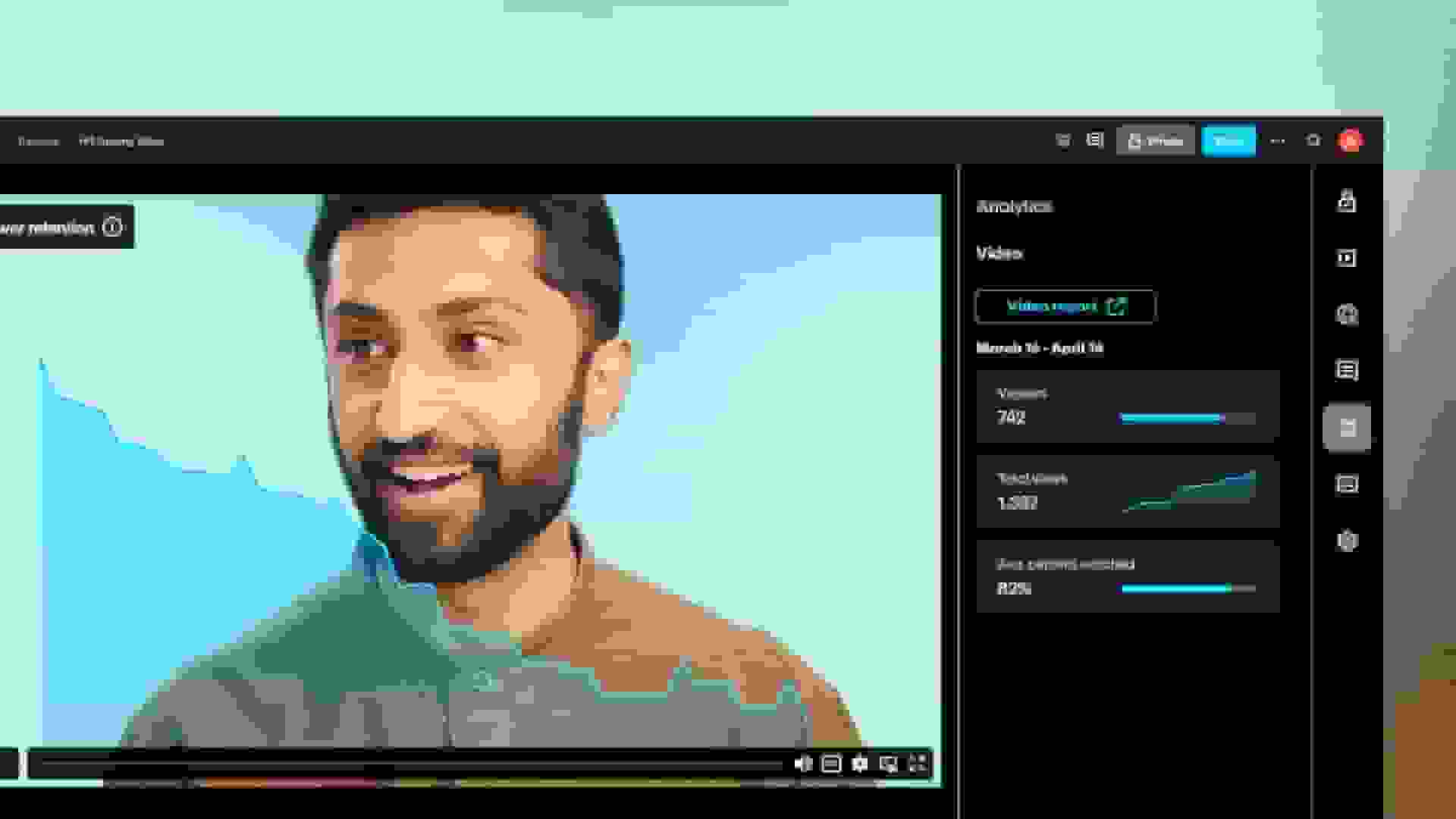
- Built-in Video Analytics show you the engagement data that matters at each stage, so you can evaluate performance against the right signals.
- Interactive features, like embedded CTAs, lead capture forms, and sentiment tools, turn passive viewers into conversion-ready prospects.
Market your brand with Vimeo →
FAQ
What are online marketing funnels?
A marketing funnel maps out the stages a prospect moves through before becoming a customer, from first awareness of your brand through to conversion. These days, most of that journey happens across online channels like websites, search engines, social media, and email newsletters.
What’s the difference between a marketing funnel and a sales funnel?
A marketing funnel covers the initial customer journey, from awareness to conversion. A sales funnel focuses on the later stages, where you’re actively encouraging prospects to make purchases. These two overlap within a complete digital marketing sales funnel, but marketing owns the top and middle, while sales owns the bottom.
How long does it take to see results from video marketing?
How long it takes to see results from a marketing video depends on the stage it targets. ToFu results like reach and impressions show up quickly, often within days of a campaign launch. MoFu and BoFu metrics, such as engagement and conversions, take anywhere from a few weeks to a few months to build, depending on your audience size and distribution consistency.