Creators who want to monetize their videos have a wide range of options available, from Google AdSense to highly customizable and scalable options of a white-label platform like Uscreen, Muvi, Vimeo Streaming, and Dacast.
The best way to earn money from video content will vary between platforms, but every creator needs a carefully formulated monetization strategy. This guide will describe some of the tools that are part of that strategy and provide valuable tips and tricks to help you maximize engagement and earn money from your content sooner.
What does it mean to monetize a video?
Video monetization means earning money from video content, whether by charging for the videos themselves or by monetizing the engagement they receive. Some creators opt to set up a Patreon or a custom streaming service on Vimeo Streaming, where they can gate access to their videos to specific tiers of subscribers. Others earn money by regularly publishing videos on a YouTube channel, allowing Google AdSense to run advertisements alongside them.
There isn’t a one-size-fits-all monetization model that’ll work for everyone, so to determine how to monetize your video content, consider the types of videos you create and the audience you intend to reach. For example, if you create niche content, a Netflix-type subscription model might be the best fit for your diehard fans. Alternatively, if you’re making one-off guides or courses, an invested subscriber model may work better. Knowing what you want to create and for whom will help you identify which monetization model will most effectively transform engagement into revenue.
Top 6 video monetization platforms
After you’ve decided on a monetization model, you’ll need to select which platforms you’ll use to earn money from your videos. Here are five of the best options.
1. Vimeo
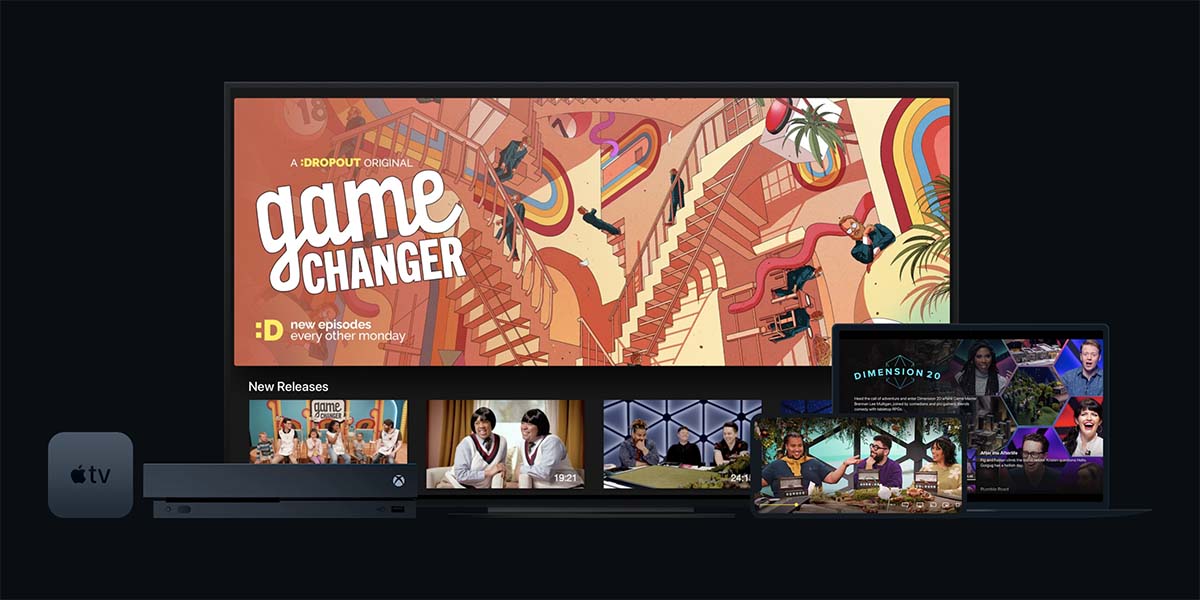
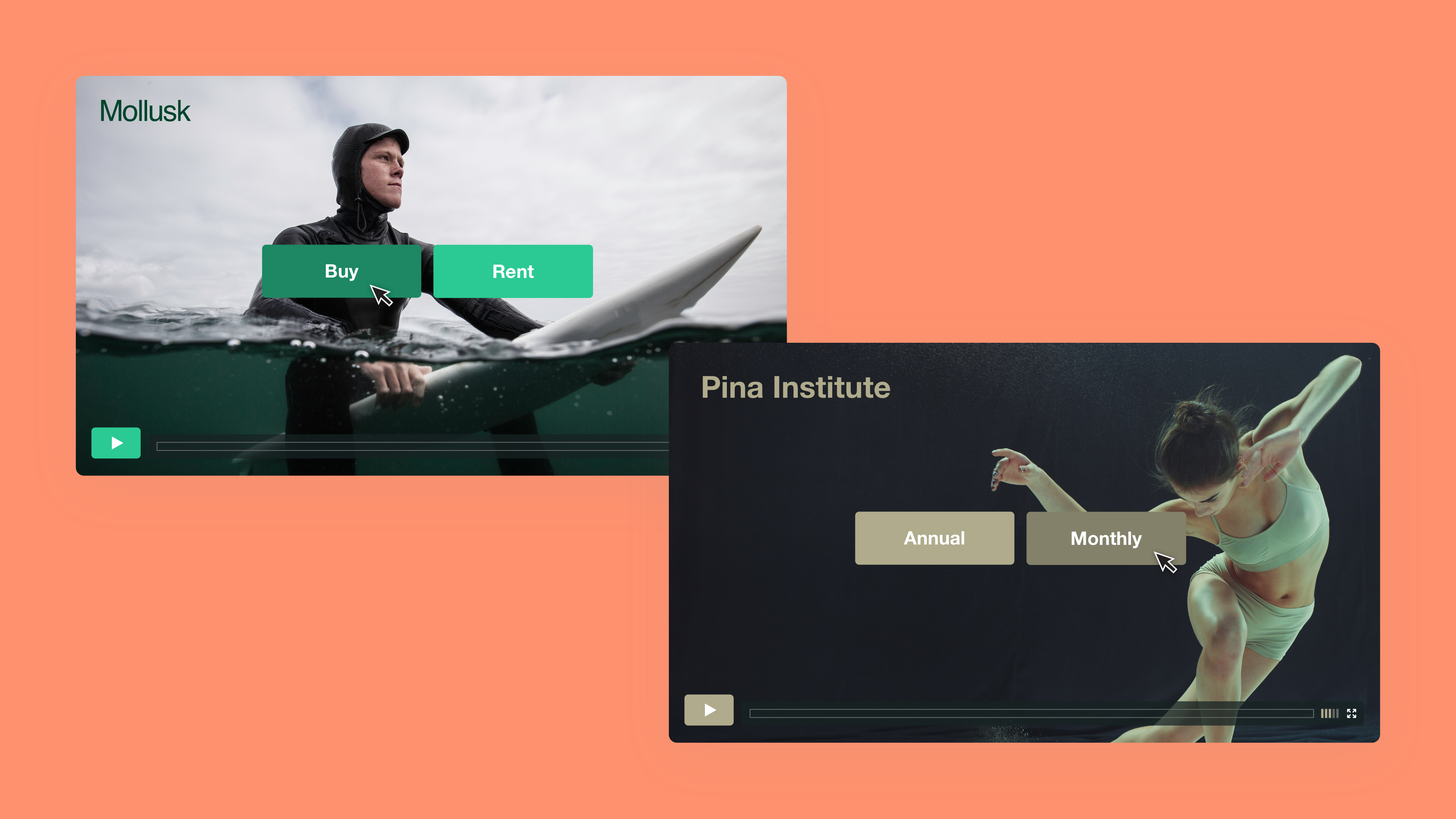
Vimeo stands out thanks to its customization options, giving you complete freedom over your video monetization strategy, from e-learning videos to OTT channels. With Vimeo Streaming, you can set up your own custom streaming service, where you can charge for videos on demand, run advertisements, build a mobile or TV app, or create your own channel to build a community of paid subscribers. Whatever your monetization model, Vimeo offers a solution, allowing you to experiment with different strategies and determine the best one to meet your needs.
Additionally, Vimeo offers other tools that provide creators with a centralized platform for all their video needs, such as a browser-based editor, advanced analytics, automated transcripts, and AI-generated translations. It’s a comprehensive platform where everything you need to create, manage, and monetize videos is at your fingertips.
Discover Vimeo Streaming →
2. YouTube
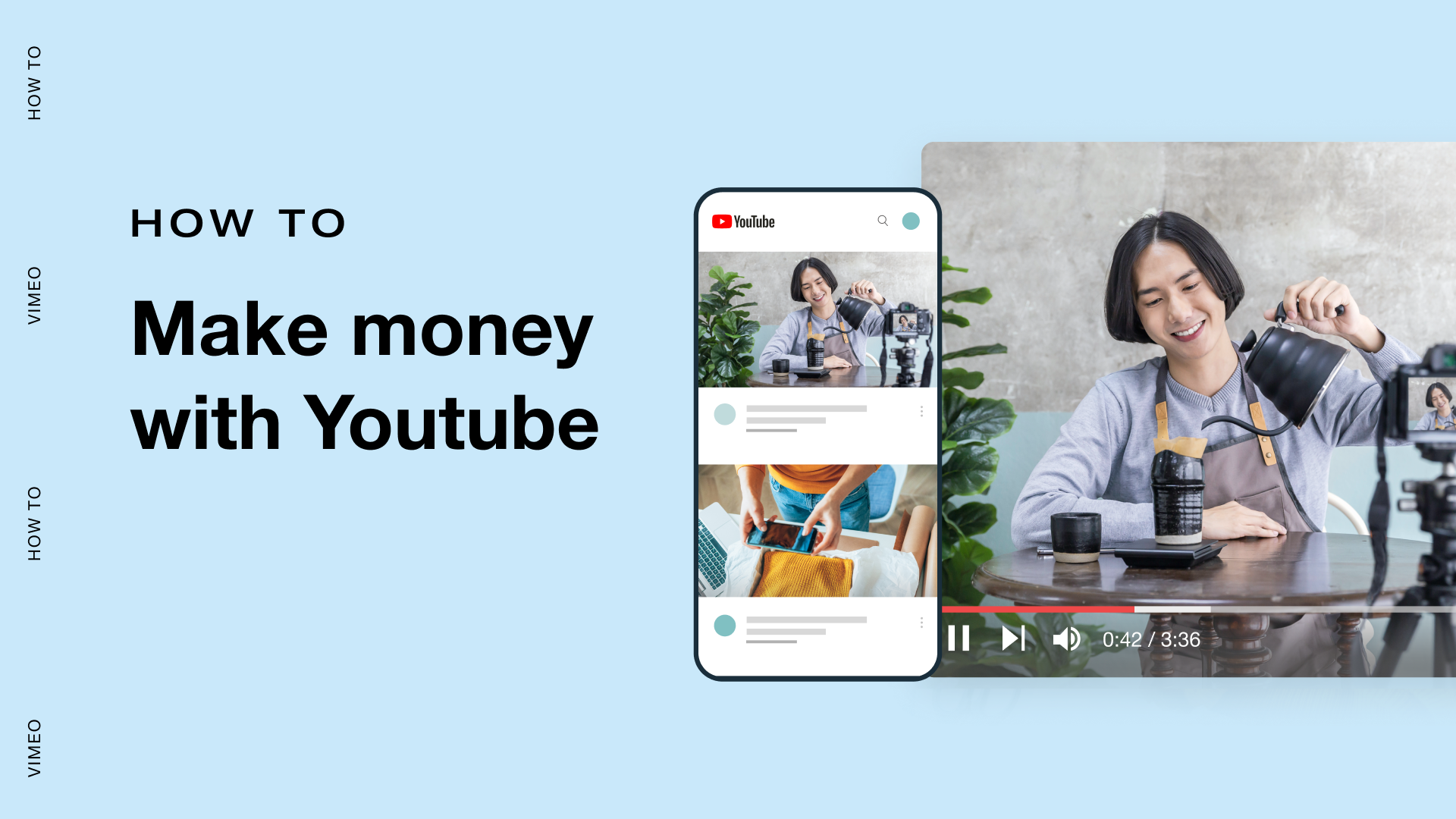
To monetize YouTube videos, you’ll need to join the YouTube Partner Program, which uses Google AdSense to run advertisements on your videos. While you could technically monetize your YouTube channel with sponsorships or affiliate marketing instead of AdSense, you’d be leaving money on the table.
YouTube monetization is strictly regulated according to its community guidelines and content policies. Any conflicts with those policies could result in your videos or entire YouTube channel getting demonetized. To monetize on YouTube successfully, you must remember these guidelines whenever you create content and check your YouTube Studio account notifications regularly for messages about infractions.
Compare YouTube and Vimeo →
3. Patreon
Building a membership community on Patreon lets you engage with your audience directly. You can add a low monthly donation option, gate access to certain subscriber levels, and even offer personalized content to subscribers at the highest tier.
Nurturing a community this way works best if you have a particular niche. If no one else is making your type of content, your fans will know that your Patreon is worth the entry price. That way, you can monetize the products you’re creating, as well as videos that showcase your process. However, you’ll need additional software for editing videos, drafting scripts, and measuring engagement, as Patreon is only a monetization and community-building tool.
Connect Vimeo with Patreon →
4. Muvi
Muvi is a streaming solution that lets you customize a platform and choose between selling videos on demand or offering a monthly subscription. It has a short video monetization service, Muvi Shorts, which resembles Instagram Reels, TikToks, Pinterest videos, or YouTube Shorts, and a hybrid e-learning solution that offers educational course packages.
Muvi aggregates many of the features you’ll find in other monetized streaming platforms, which makes it a strong option for larger teams looking to scale their streaming operations across content types.
See how Muvi and Vimeo compare →
5. Uscreen
Uscreen is a dedicated streaming service platform, complete with personalized website options, mobile app integration, and subscriber membership tools. If you already have an extensive library of videos, it’s a good way to transform them into a custom experience for subscribers. Uscreen has more brand customization options than more comprehensive platforms like Vimeo, though you’ll need to edit your videos elsewhere. The need for third-party tools to fill in the gaps means this platform works well for teams that already use separate tools to create and manage videos.
Compare Uscreen and Vimeo →
6. Dacast
Dacast offers a comprehensive monetization solution with multiple approaches. Their services encompass live streaming, video hosting, monetization, analytics, and custom branding all in one place. Companies can take advantage of flexible paywall options and various monetization models, which include subscriptions, rentals, or pay-per-view, setting them apart from the more restricted options available on other platforms.
Compare Dacast and Vimeo →
How do you monetize smarter? Tips to increase your video revenue
Whether monetizing YouTube videos or setting up your own streaming platform on Vimeo, you’ll need to get creative to maximize your audience’s engagement. Here are a few tips that’ll help you get the most out of every view.
Add interactive elements to your videos
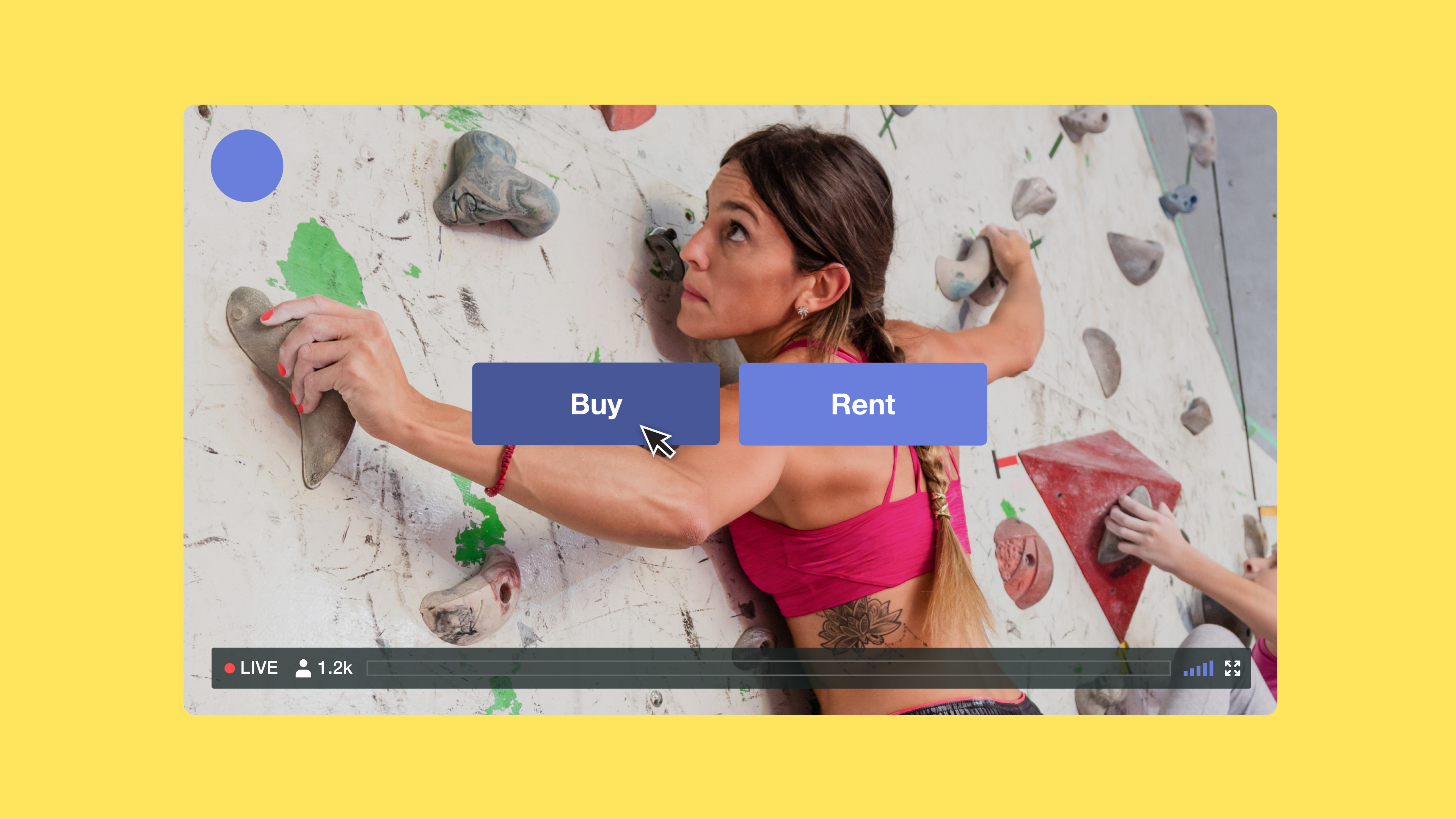
Making videos interactive with clickable elements like end-roll CTAs encourages viewers to follow links to your merch store or to another video on your channel. For more interaction, use polls or shoppable videos that let users select what they want to see more of.
Run relevant ads
Set up an AdSense account and use it to run targeted ads during your videos. After Google AdSense has analyzed your viewers’ behavior, it’ll select relevant ad suggestions, leading to more clicks and more revenue. You’ll get compensated every time a viewer clicks through, boosting your income.
Monitor your engagement metrics
Regularly check your analytics to identify patterns that can help you maximize engagement. Insights into where viewers stop watching and how they interact, for example, can help you understand what your videos are doing well and how you might capture your audience’s attention better. If a particular topic gets more view time, consider covering it in a new video. If longer videos convince more people to subscribe, stick with that format to see if that trend holds.
Check out Vimeo Streaming Analytics →
FAQ
How does YouTube monetization work?
YouTube monetization works through ad revenue generated by Google AdSense, but you have to qualify for the YouTube Partner Program to start earning it. As your videos get more views, YouTube will begin adding pre-roll and mid-roll ads to them. Every time a viewer clicks an ad on your videos, you get anywhere between $0.01 and $0.03.
What are pre-roll, mid-roll ads, and post-rolls?
For those without a paid YouTube subscription, the platform runs ads before videos start and midway through their runtime. These are pre-roll and mid-roll ads, respectively. With Vimeo Streaming, you get to decide which videos run ads and when, while YouTube channels get served whichever ads Google AdSense selects for that day.
What’s a bumper?
A bumper is a short clip that plays at the beginning and/or end of a video. Bumper videos are generally five to 10 seconds long, but they can reach as long as 10 minutes. They often set up or summarize what the main video is about, or are part of a bigger ad campaign. Vimeo offers bumper campaigns, targeting specific videos or your entire library, as part of Vimeo OTT. This way, you can promote your brand’s other offerings or generate more revenue from sponsorships.
How can you monetize live events?
Live events like webinars offer numerous monetization opportunities. You can run ads during a webinar, require subscribers to sign up to attend them, and sell the recordings later as videos on demand. Meanwhile, virtual venues with separate “rooms” can have embedded links to shoppable videos where viewers can learn about the products talked about in each digital experience.
How do I get 4,000 hours on YouTube?
The YouTube Partner Program requires you to get 1,000 subscribers and 4,000 combined hours of view time on your videos, or 10 million views in YouTube Shorts. You have to do one or both within 12 months. Here are three strategies to reach those goals:
- Long-form content: Create longer videos that get more view time from each individual viewer.
- Video series: Offer several videos that link to each other, covering similar topics to encourage viewers to binge-watch your content.
- A niche: Look for a gap in the current offerings of other content creators. By discovering a topic you can cover exclusively, you'll provide unique value that keeps fans of that specific niche consistently returning for more.
Make every view count with Vimeo’s monetization tools
The platform you choose to host your videos can make or break your monetization strategy. Selecting YouTube as the default platform could unlock a lot of engagement, but at the cost of flexibility in your monetizing mode and branding. The best platform is the one that helps you make every view count, both in terms of engagement and revenue.
Vimeo can be a more comprehensive solution for video creators looking to earn money from their work. It offers all the tools you need to reach your audience and learn from how they engage with your content. With Vimeo, you don’t need any third-party tools to handle global payments, generate translations, or edit your videos; Vimeo handles it all.
Check out Vimeo’s monetization options to learn more about how to turn views into a reliable revenue source.