Video content helps creators and brands share ideas and stay visible where their audiences spend time. But quality videos are resource-intensive, and when you don’t plan the production process carefully, the final result often falls short.
This article walks through the video production process from first concept to final upload. Whether you’re producing a video for social media followers or marketing campaigns, you’ll see how each stage fits together and which tools simplify the work.
What’s video production? Key roles and benefits
A video’s production is the organized process of planning, capturing, editing, and refining footage into a finished piece. Most successful teams treat the production process as a set of clear stages supported by a considered strategy and distribution methods. When these stages flow smoothly, you’ll move from idea to finished asset with fewer delays and end up with a video that supports your marketing goals.
That outcome requires a mix of creative and technical roles working closely together. Producers manage schedules and budgets, directors guide the story and on-set decisions, and camera and sound specialists focus on capturing strong footage. Editors and motion designers then shape that footage into a complete video, and marketers decide where to share the content so it reaches the right audience at the right moment.
When this system works well, you can:
- Build brand awareness: Show your message in a format people remember.
- Encourage more interaction: Video helps you hold attention longer than static assets.
- Support better conversion outcomes: Place the right video marketing content at key points in the sales funnel.
- Get more from each video: Flexible content development turns a single shoot into multiple cuts and formats.
- Nurture customer relationships: Use videos for ongoing education and to introduce new features or products.
Create great marketing videos fast with Vimeo →
Common types of video production
Here are some common types of video production and their primary goals.
Marketing
Marketing videos support specific campaigns and promotions, from major product launches to smaller pushes tied to events or seasons. These videos usually sit near the top or middle of your sales funnel, and they often highlight a single offer that nudges viewers toward the next step, such as visiting a key page or requesting more information.
Corporate branding
Corporate video production focuses on who you are rather than what you’re selling. This content typically introduces your mission and culture through real stories from your team or customers, showing viewers how your company fits their needs and expectations. The result can feel closer to a short film about your brand than a standard advertisement, helping your audience connect on a more personal level.
Product demonstrations
Demo videos put a specific product or feature at the center of the story and walk through how it works on screen, using clear framing and narration so viewers can picture themselves using the product. Companies often use instructional videos on landing pages and in resource centers to help customers achieve their goals more quickly.
Education
Educational or explainer videos break down a concept or workflow into simple, visual steps. This content often combines screen capture, simple graphics, animation, live action, and/or lightweight motion elements to teach one idea at a time, so it’s ideal for training libraries and customer education programs.
5 stages of effective video production
These five stages give you a structure for video production, so you can make sure every piece serves a clear purpose and grabs audience's attention.
1. Concept planning
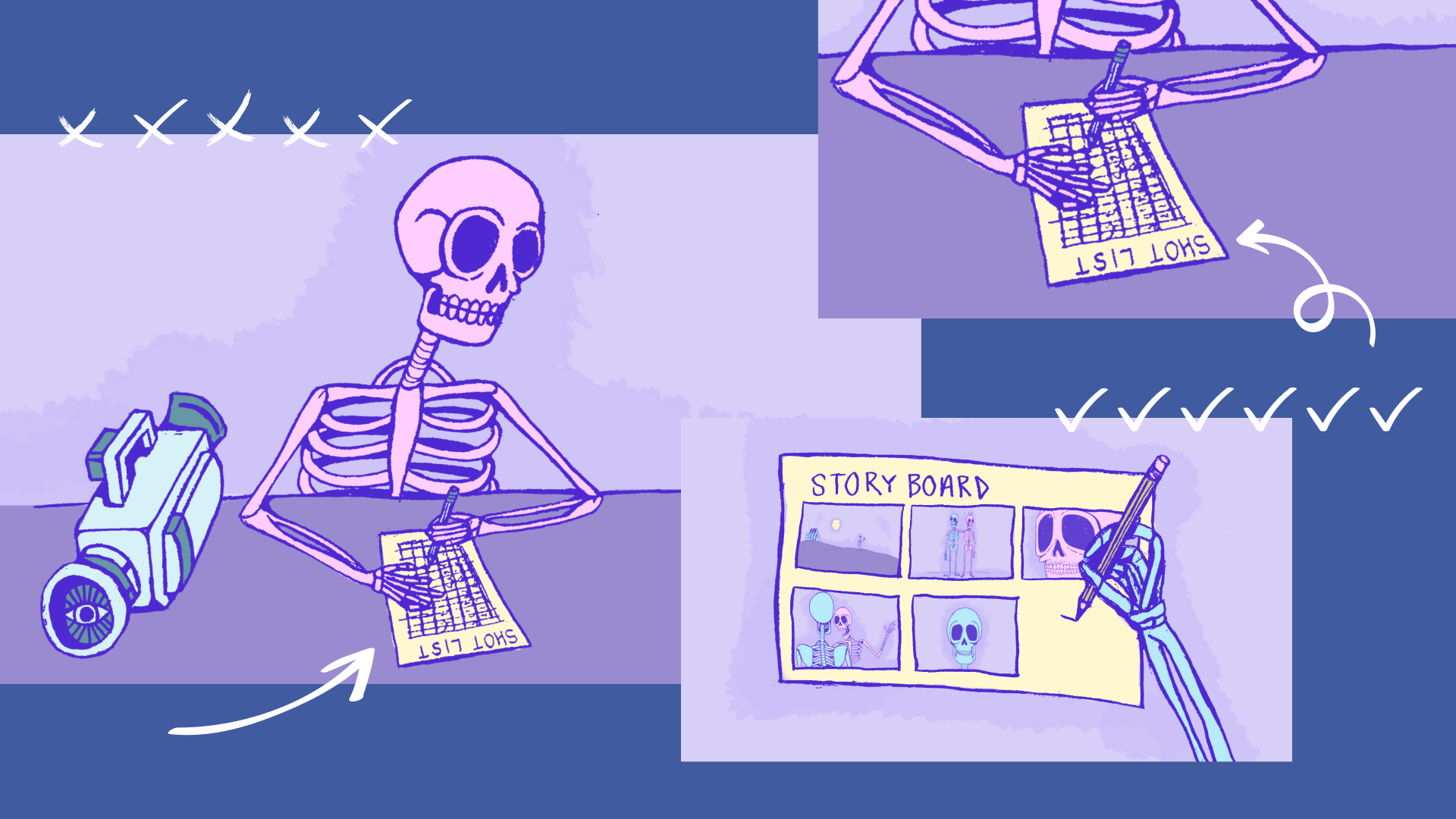
Start by defining the video's goal and the audience you want to reach, then shape your core message around that knowledge. Putting this information down in a simple brief, along with some basic storyboarding, keeps everyone aligned and lets you make changes without shifting the overall vision.
You’ll also want powerful video production software to support the following steps and keep the project on track. Vimeo helps you plan, shoot, polish, and share video content in one environment, so collaboration goes smoothly and each new project builds on what you learned from the last. You can also use Vimeo’s review and collaboration tools to share outlines or visual references with stakeholders and gather feedback before moving forward.
Produce and distribute your next video with Vimeo →
2. Pre-production
During pre-production, you’ll turn rough ideas into a concrete plan, confirm the budget and timeline, secure locations and equipment, and finalize on-screen roles. This is also where you’ll refine the script and build a shot list that covers your must-have footage, along with any alternate angles you might need later. At this point, you should also decide which deliverables you need, including formats and platforms.
3. Production
The production stage is when you’ll capture footage. First, you’ll set up essential gear like a camera, lighting, and audio equipment. Then you’ll work through the shot list, while keeping an eye on continuity and practical limits such as location access. It’s also smart to build in quick check-ins during the shoot, so you can catch framing or story issues early and adjust on-set.
4. Post-production
At the post-production stage, editors review raw footage and assemble a first cut that matches the original brief. This stage includes video editing, color work, sound design, motion graphics, and repurposing for different channels.
Vimeo’s AI-powered tools speed up tasks like rough cutting, captioning, translation, and repurposing, so you get more time to spend on creative decisions. This is also a good time to connect the project to your broader toolset, including any video production management software you use to track reviews and approvals.
5. Promotion and distribution
Once your video is ready, you’ll move into promotion and distribution, which includes uploading assets, writing copy, and rolling out the video across your chosen channels. Vimeo’s hosting and video Analytics make it easy to publish once and distribute everywhere, then measure how your audience responds across various video sharing sites. You can use those insights to adjust your timeline for future projects and choose which video cuts to promote.
Why video content is a useful marketing tool
Video production used to live mainly in the entertainment world, but it now anchors video marketing strategies across industries. You’ll see video marketing used for websites and landing pages, social media posts, email campaigns, and digital ads. Audiences spend more time with video than ever, and this content shapes how they discover brands and decide what to buy.
For marketers, strong video production:
- Improves engagement: Holds attention longer than static formats.
- Increases brand visibility: Place your message where your audience already spends time.
- Supports higher conversion rates: Show viewers a convincing story or demo just as they’re considering action.
- Offers insights: Platforms like Vimeo let you track and analyze video performance to maximize return on investment.
FAQ
Should you hire a video production company?
Whether you should hire a video production company depends on your internal resources and your project’s scope. Simple videos can often be managed in-house, while longer or more complex shoots benefit from a team capable of handling lighting, sound, and detailed logistics.
How much does video production cost?
Video production can be very affordable or extremely expensive — budgets vary based on factors like scope and the amount of post-production required. Start by defining your video’s goal, then match your spending to the impact you expect.
What are common mistakes in video production?
A lot of video production problems start when you film without a script or a basic shot list, as it’s easy for the content to diverge from the original vision. Also, rushing through pre-production often leads to missing footage and extra shoot days due to a lack of clear planning.
Turn your ideas into quality, impactful videos with Vimeo
Strong marketing videos start with a clear goal and an efficient production process, along with smart editing choices that keep your message sharp and respect your audience’s time. When each stage of the production process is given plenty of weight, videos shift from one-off assets to channels for driving engagement and growth.
As video continues to shape digital marketing, your team needs tools that move quickly and keep collaboration easy — from first script draft to final upload. Vimeo gives creators and brands one workspace for planning production, editing, and distribution, so video content goes from idea to screen with less friction.