If you’re looking to tap into the largest online viewing audience possible for your videos, YouTube is the obvious choice, but it’s hardly the only one. YouTube’s size makes it difficult for new content creators to break out, and its policies can be restrictive.
There are many websites similar to YouTube that offer a better experience for both viewers and creators, such as Vimeo, Twitch, and Nebula, each with a unique value proposition for reaching different audiences.
If you want to look elsewhere for your video hosting needs, this article explains what to look for in a YouTube alternative and gives several options to consider when finding a home for your video content.
Why should you look for other video platforms like YouTube?
With so many new streaming platforms launching in the last decade, content creators and media enterprises alike are no longer limited to YouTube for sharing video content. If you’ve tried launching a YouTube channel before, the following issues with the platform may look familiar:
- High competition: There are over 115 million YouTube channels, and more than half of them upload content every month. While there are more potential viewers on YouTube, competing against so many well-known accounts means it’s harder to cut through the noise.
- Content restrictions and demonetization: YouTube’s content guidelines and monetization model are both under tight — and sometimes unpredictable — control. They frequently make changes to their ad guidelines and algorithms that are later rolled back. This experimental attitude helps them stay flexible and respond to market shifts, but it can wreak havoc on a content creator’s ad revenue.
- Algorithm biases: The YouTube algorithm is very good at segmenting viewers into niches and then bombarding them with content from only the biggest YouTube channels. Discovery is a major challenge, so actually connecting with an audience — even if your content is relevant to their algorithmic niche — is difficult as you launch a channel.
- Limited customization: Another aspect YouTube has total control over is the platform's look and feel. All videos must use the same video player, engagement features, and page styling. Alternative hosting platforms like Vimeo let you align the viewing experience with your brand image by changing how your audience interacts with your content, from discovery to the end credits.
Produce custom videos with Vimeo →
What are the best YouTube alternatives for video distribution and streaming?
Here are six YouTube competitors that offer a better viewing experience and greater creative control for creators.
1. Vimeo
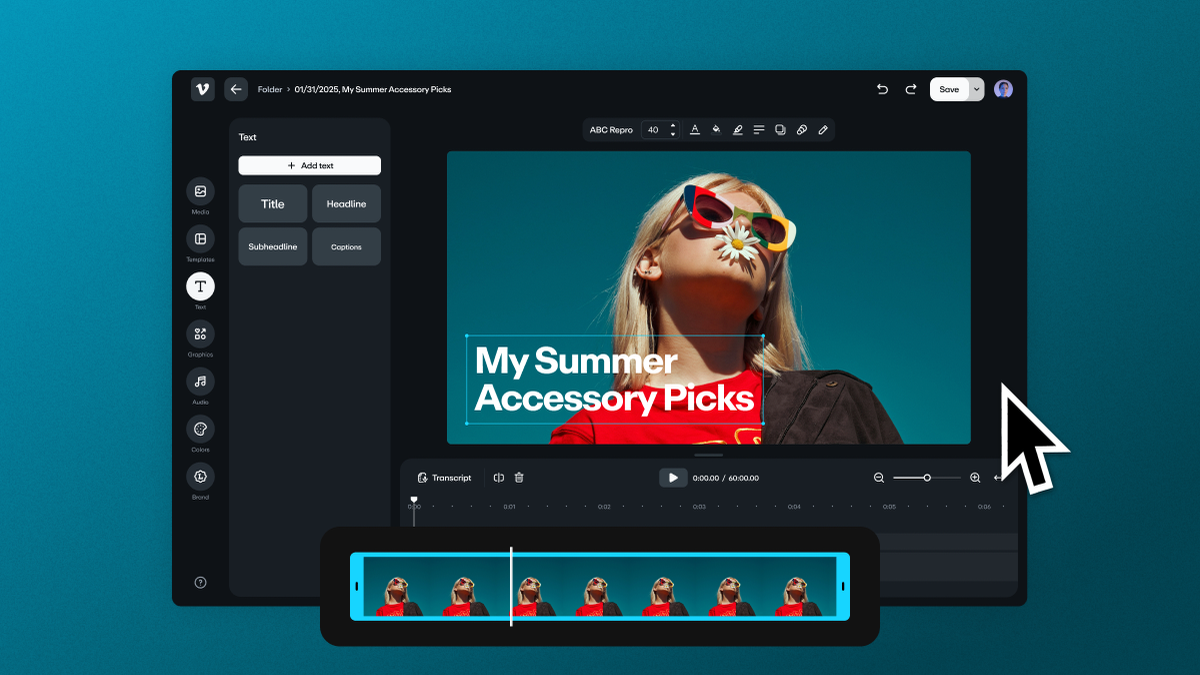
Vimeo is a comprehensive video platform that offers valuable features such as a browser-based video editor, AI-powered transcription and translation tools, and a deeply customizable, ad-free video player, among others. The best part is you have total control over how you monetize video engagement.
Unlike YouTube, Vimeo equips creators to design their own white-label platform that’s completely customizable. That creative control lets you develop a secure streaming service tailored to any audience, so you can monetize their engagement however you see fit.
Pros
- High-quality streaming (up to 8K at 60fps)
- Fully customizable platform
- Deep analytics to understand viewer engagement
Cons
- Smaller built-in audience
- Can be more difficult to get organic traffic from search engines
How reliable is the Vimeo video hosting service?
Vimeo’s video hosting is supported by a secure global CDN that keeps livestreams smooth and loading times fast. You can host videos up to 8K resolution on Vimeo, and rest assured that viewers with a strong connection can enjoy smooth streaming. This reliability is a primary pillar of Vimeo’s platform — and one of the reasons it’s trusted by over 287 million creatives, marketing teams, and media enterprises.
2. Dailymotion
The primary reason to host videos on Dailymotion is discovery. Their site is very similar to YouTube, but with a unique algorithm designed to break echo chambers by ensuring viewers receive content from other perspectives to counter traditional algorithmic biases. That makes them a good hosting site for creators who prioritize current events, but if you’re publishing less topical content, you’ll risk falling through the cracks.
Pros
- Familiar UI means faster adoption
- The algorithm is designed not to silo viewers for a broader reach
- Fewer region locks than other streaming platforms
Cons
- More difficult to get traction on evergreen content
- Only accepts videos in .MP4 format
- Automatic bitrate adjustment maxes at 720p
3. Twitch
Twitch is a live-streaming platform first and foremost, though you can also watch recently streamed videos. They only store videos from each channel for a limited time (seven to 60 days, depending on your payment tier), so it’s up to creators to ensure their work finds a life beyond the immediate moment. For this reason, Twitch is rarely a creator’s only video distribution platform. It’s often combined with Vimeo, YouTube, or PeerTube so streamers have a place to share recordings of their work and further monetize them.
Pros
- High-quality streams, beta-testing up to 1440p at 60 fps
- Familiar name for a broad audience reach
Cons
- Limited rewatch capabilities
- A similar algorithm to YouTube means similar breakout struggles
4. Odysee
Odysee is a YouTube lookalike that prides itself on offering a range of on-demand videos viewers can hop between freely. This feature encourages discovery and ensures you only have to compete with other creators in your category.
Odysee's blockchain monetization model pays you in cryptocurrency (Arweave or stablecoins) whenever a viewer sends a tip or signs up for a paid subscription. The volatile crypto market makes it difficult to reliably calculate your revenue, but it is a uniquely decentralized option that pays creators 100% of what viewers give them. This decentralized monetization model also means creators aren’t subject to as much content moderation as on other video platforms, making Odysee a good option for creators who’ve run into many blocks on YouTube.
Pros
- Low content moderation for creator independence
- Discovery-focused content grouping
Cons
- Revenue is only available via cryptocurrency
- Average video resolution is between 480p and 1080p
5. PeerTube
PeerTube is a free, open-source YouTube alternative that’s focused on helping media enterprises and large content creators establish their own video hosting service. It’s a peer-to-peer solution that lets creators avoid renting server space or other infrastructure, saving on overhead while personalizing their platform.
Monetizing your videos is the biggest stumbling block with PeerTube: There are no monetization features built into the service. If you want to run ads or offer subscriptions, you’ll have to design and implement those solutions yourself, which adds a layer of technical challenges. But if your team is tech-savvy or you already have sponsors, PeerTube could be a good fit.
Pros
- Fully customizable open-source hosting service
- Creates networks rather than relying on algorithms for more discoverability
Cons
- No monetization model
- Throttles bandwidth for video quality at or above 1080p
6. Nebula
Nebula is a 100% creator-owned video hosting platform that offers a clean 50/50 monetization split with its creators. They pride themselves on independence, granting creators a great deal of latitude. Their lack of content guidelines has gotten them into hot water on occasion, such as when LG removed Nebula’s app from televisions in 46 countries over LGBTQ+ content that was deemed controversial. It’s a good place to share videos with a dedicated audience, but there’s a higher risk of roadblocks when they don’t comply with other platforms’ policies.
Pros
- Strong monetization policy
- Low content moderation for creator independence
- Dedicated userbase
Cons
- Less exposure than bigger platforms
- Limited quality (up to 1080p HD)
How to choose the best YouTube alternative for your needs
Here are six factors you should consider when looking for a YouTube substitute:
- Audience: Consider who your target audience is and whether you’re likely to find them on that platform. A niche audience looking for educational videos might find you on Nebula, while a discovery-focused platform like Dailymotion can get you in front of more potential viewers.
- Content type: Determine whether the platform excels at presenting the type of content you create (like topics, average length, and presentation style). Live streaming for several hours could get you plenty of viewers on Twitch or Vimeo Streaming, but it won’t get much traction on Dailymotion, where streaming is a minor feature.
- Monetization: Research the monetization models creators use on each platform — and what their earnings look like — to determine if your intended revenue model will work. If you’re not looking to monetize your content, find a platform that at least provides the most detailed analytics you’ll need to act on viewer engagement.
- Creative control: Identify whether you’ll need to personalize your video player for better brand recognition, or if your audience is more interested in other features, which means you can use a standardized platform like Dailymotion or Odysee.
- Community: Research each platform you’re considering to learn about its community. Avoid platforms with long-term controversies or unhappy audiences, as this may indicate they won't last long enough for you to find success.
- Technical needs: Read the platform’s documentation to learn how creators set up and maintain their channels and how many resources you can expend on maintenance. Likewise, check the video quality or storage limitations to ensure your highest-quality videos stream without buffering or reduce your library size.
FAQ
Can I use multiple platforms simultaneously to reach different audiences?
Yes — and you should use multiple platforms. Each one has its own guidelines, engagement features, and content types, so sharing your content in multiple places can help you reap rewards from each. For example, publishing simple, widely appealing videos on YouTube can help you find your audience and direct them to Vimeo, where you offer a more branded, immersive experience. Using a multi-channel platform like Vimeo, where you can upload videos and immediately publish them elsewhere from a central library, is a particularly useful feature for this approach.
Can I embed videos from these platforms on my website?
Not every video platform supports embedding your videos elsewhere because it complicates their monetization options. While YouTube, Vimeo, and Dailymotion let you upload videos and embed them elsewhere, you don’t have the same option on Nebula and other services, where viewers have to subscribe to the platform to gain access.
How do I migrate my YouTube content to another platform?
To migrate your videos from YouTube to another platform, you’ll need to download all the videos and upload them to the new platform. It helps to be able to upload them in batches, as you can with Vimeo’s bulk uploading and editing, which lets you quickly update privacy settings and organize dozens of videos simultaneously.
Elevate your video strategy with Vimeo
With so many new video platforms emerging, creators and viewers have more meaningful options to choose from. Since it’s one of the most frequently visited websites, YouTube will likely remain a dominant platform, but having more options gives creators a better chance of finding a platform where their content can reach a dedicated audience and build a strong community.
Vimeo is poised to help creators do just that with robust online video hosting and sharing features all in one platform. Whether you’re developing a white-label streaming service with Vimeo Streaming or sharing your favorite Let’s Play streams, Vimeo provides a high-quality, ad-free viewing experience that puts you in charge of your content.