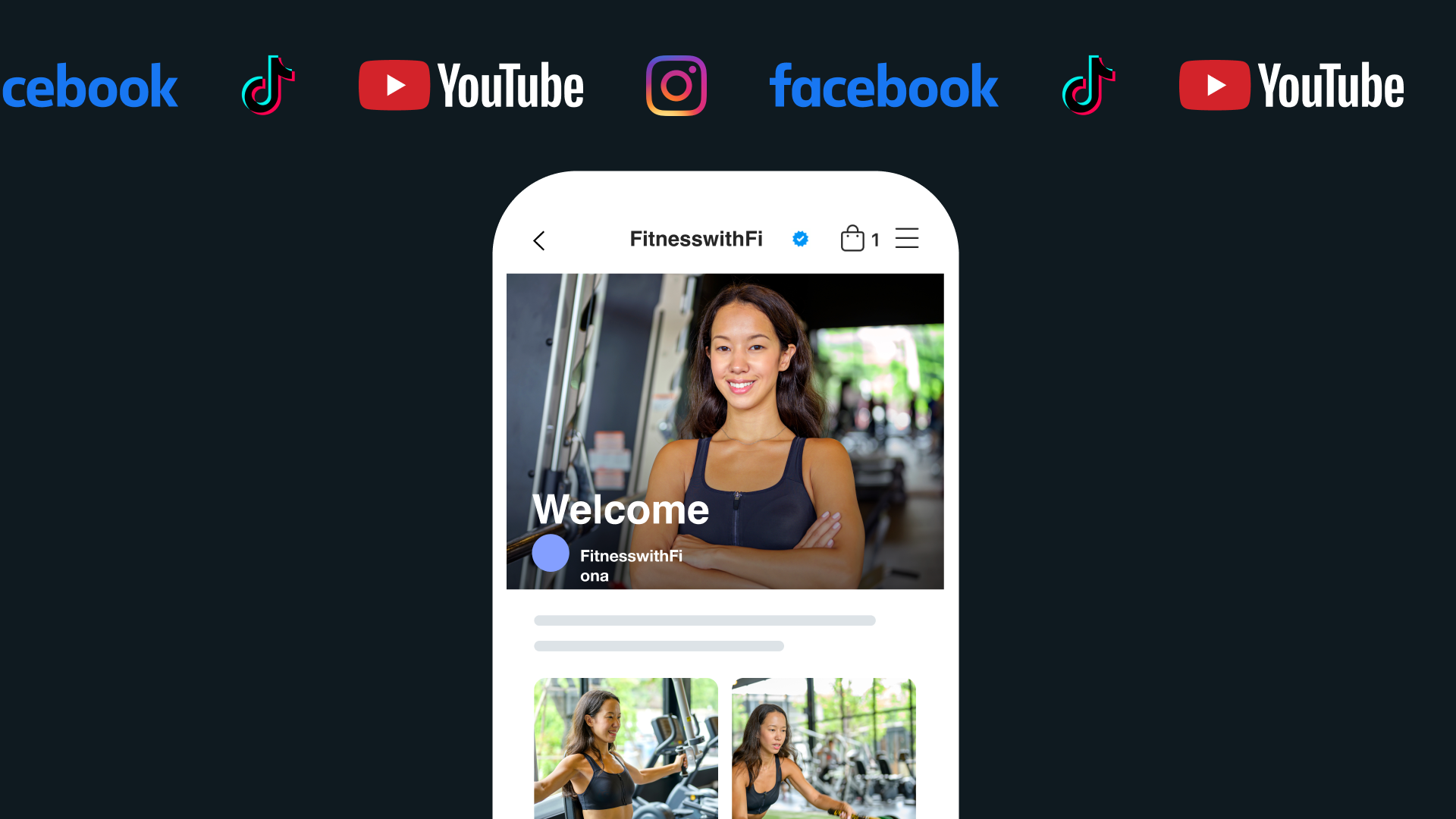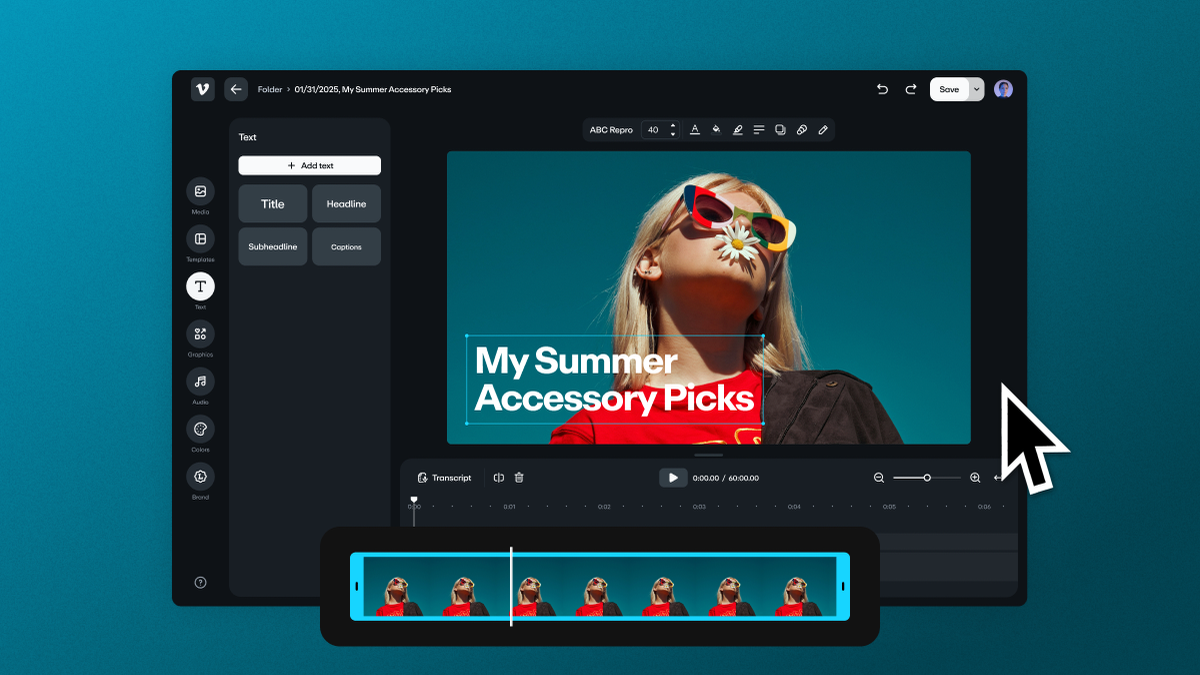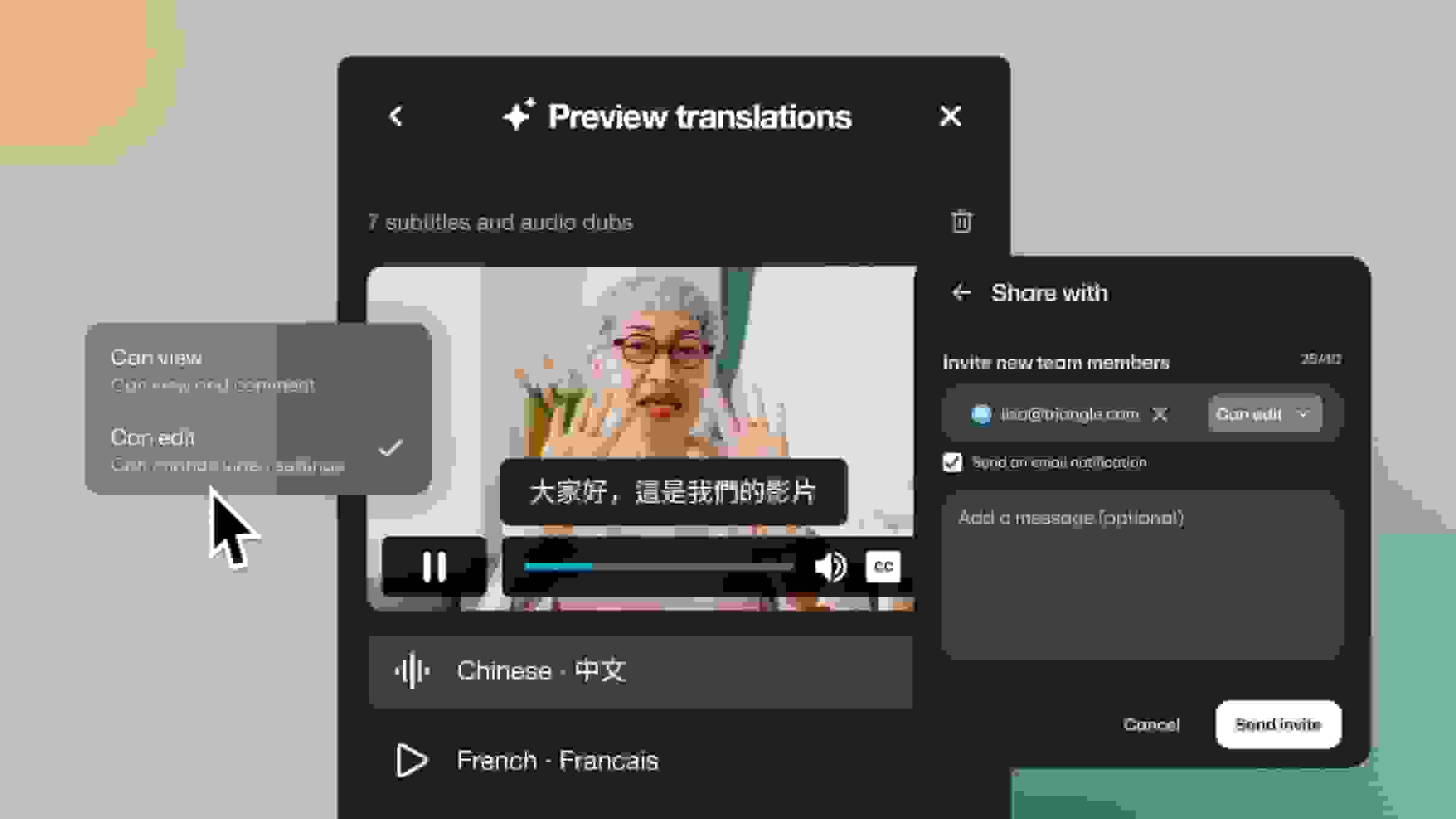
Video distribution platforms determine how your videos appear, how they play, and what you can measure after you hit publish. The best choice depends on your goals: A platform built for viral reach won't give you the same control as one built for enterprise-grade hosting.
In this article, we’ll break down the top platforms and the tradeoffs that matter most. We’ll also share practical tips for building a distribution plan, promoting content across social media channels, and tracking performance so you can see what’s working and focus on improving what’s not.
Video content distribution: Importance and types
Video content distribution is the process of delivering a video across channels to your target audience. Depending on your goals, that might mean pushing for reach on social media or using a video hosting service like Vimeo OTT to create your own streaming app.
For a business, distribution decisions influence where a viewer finds content and what happens after someone clicks play. The same holds true for creators who need to reach their audience while maintaining brand consistency across platforms. You can give viewers a call to action (CTA), compare performance by channel, and see which placements drive results.
There are three main ways video content gets distributed:
- Earned distribution: Other people share your video for you without your direction, like organic posts or third-party mentions.
- Owned distribution: You publish on channels you control, such as your website or email list. This route gives you the most control over the viewer experience.
- Paid distribution: You pay to place your video in front of a specific audience through ads, sponsored posts, or partnerships.
6 tips for effective video content distribution
A distribution strategy works when each channel has a clear purpose. Social video distribution can drive discovery, while owned distribution can capture interest and turn it into action.
Here are six ways to effectively share your videos and grow your audience.
1. Start with one goal per video
Before you upload, decide what “success” means for this specific video. Then select the distribution channels that fit that outcome rather than posting everywhere and hoping something goes viral. For example, a new product release might move more viewers to purchase your product when they see it in a marketing email rather than as an ad on streaming services.
2. Match the format to the platform
A widescreen product demo won’t land the same way as a vertical clip built for a feed. Adjust the size, length, pace, and other features so the video matches format expectations for each placement.
3. Post natively
Most platforms favor native uploads and push them algorithmically because they keep viewers on-platform. If your goal is discovery, upload your videos directly and format them for mobile-first viewing. Add captions for accessibility and to capture viewers who prefer silent scrolling.
4. Create an owned home for your video
Social media posts have a short shelf life, so your video can completely disappear from feeds within hours. A dedicated page on your site gives the video a long-term place to live, and video hosting on a platform like Vimeo means it’ll stay discoverable for longer.
5. Turn one video into multiple
Don’t post the full video once and stop. Repurpose your video by publishing a few short clips of it over the next several days or weeks that highlight one moment and direct viewers back to the full video. More people will see it, and you’ll get multiple chances to reach your target audience without spending more time on the project.
6. Meet fans where they are
Start posting where your audience already exists. For discovery, prioritize platforms where videos appear in search and recommendations, then add a secondary location you control for fans who want a cleaner viewing experience.
Keep the release consistent across all channels you publish to. For example, a music video should use the same title and visual style across music video distribution platforms. You can then track which placements drive the strongest watch time and adjust your approach accordingly.
If you want more control than a feed post can offer, Vimeo’s video distribution lets you share content with audiences everywhere through Vimeo-powered branded apps.
Explore Vimeo's video distribution options →
What are some video distribution platforms?
There are dozens of ways to share your videos with the world. Here are some of the best video distribution platforms today.
Vimeo
If you want a customizable, professional content distribution platform, Vimeo has all the tools you’ll need. Vimeo’s video distribution options support sharing to your community through social media using video marketing tools while still giving you a central place to manage your video library and viewer experience.
Vimeo also runs on a content delivery network (CDN), which means it can deliver adaptive bitrate streaming so viewers get smooth playback across devices and apps no matter their bandwidth. Vimeo also offers comprehensive video analytics and strong control over your video content for the best insights into what’s working.
YouTube
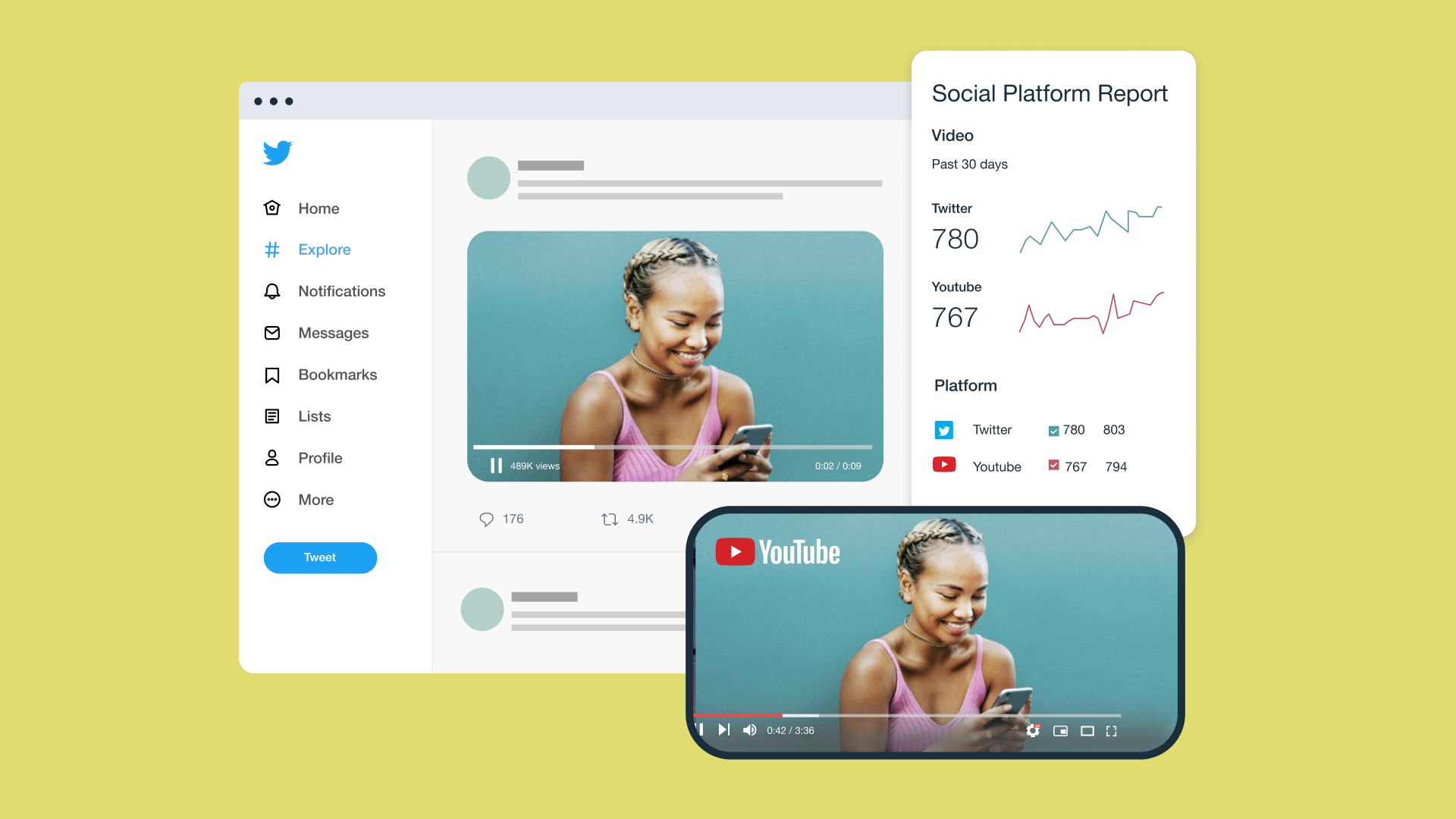
YouTube is a common video platform with a broad reach because it acts like a social platform and a search engine. That dual nature also makes it useful for SEO, since your videos can appear in both YouTube and Google search results.
For music videos, YouTube often becomes a common publishing platform since viewers already search for artists and official videos there. The site’s algorithmic niches mean videos can keep getting found long after you publish, especially when the topic matches what people search for. However, it’s just as easy for your content to get lost among the billions of videos and millions of accounts on the platform.
Compare Vimeo and YouTube →
DailyMotion
DailyMotion is one video hosting alternative to Vimeo and YouTube. It can work as a secondary channel for general content, or as a backup for uploads when you want another public place to publish. Expect less discovery on DailyMotion than Vimeo, so it’s usually better as an extra part in your distribution plan, not the primary path.
Twitch
Twitch is built around live interaction and community culture. Its distribution depends on real-time audience engagement. If your content can be streamed live, like performances and Q&A sessions, it might be a good fit for Twitch.
This platform offers limited on-demand streaming after the live stream’s ended, but its strengths are most evident when you let the audience participate.
Instagram is strong for short-form discovery and consistent posting, especially with Reels and Stories. It’s usually better for highlights and promos that direct viewers to the full video (hosted elsewhere) rather than acting as your main video marketing distribution channel.
For music videos, Instagram works well for sharable hooks and release reminders that keep audience momentum and excitement building between official releases.
TikTok
TikTok uses its algorithm to push discovery through recommendations and trend-driven distribution. As a platform, it’s better for music video clips and short performances that audiences beyond your current followers can relate to. For general content, you can still find some success on TikTok, but you’ll typically need a tighter edit and a strong hook so viewers understand your point and don’t immediately swipe away.
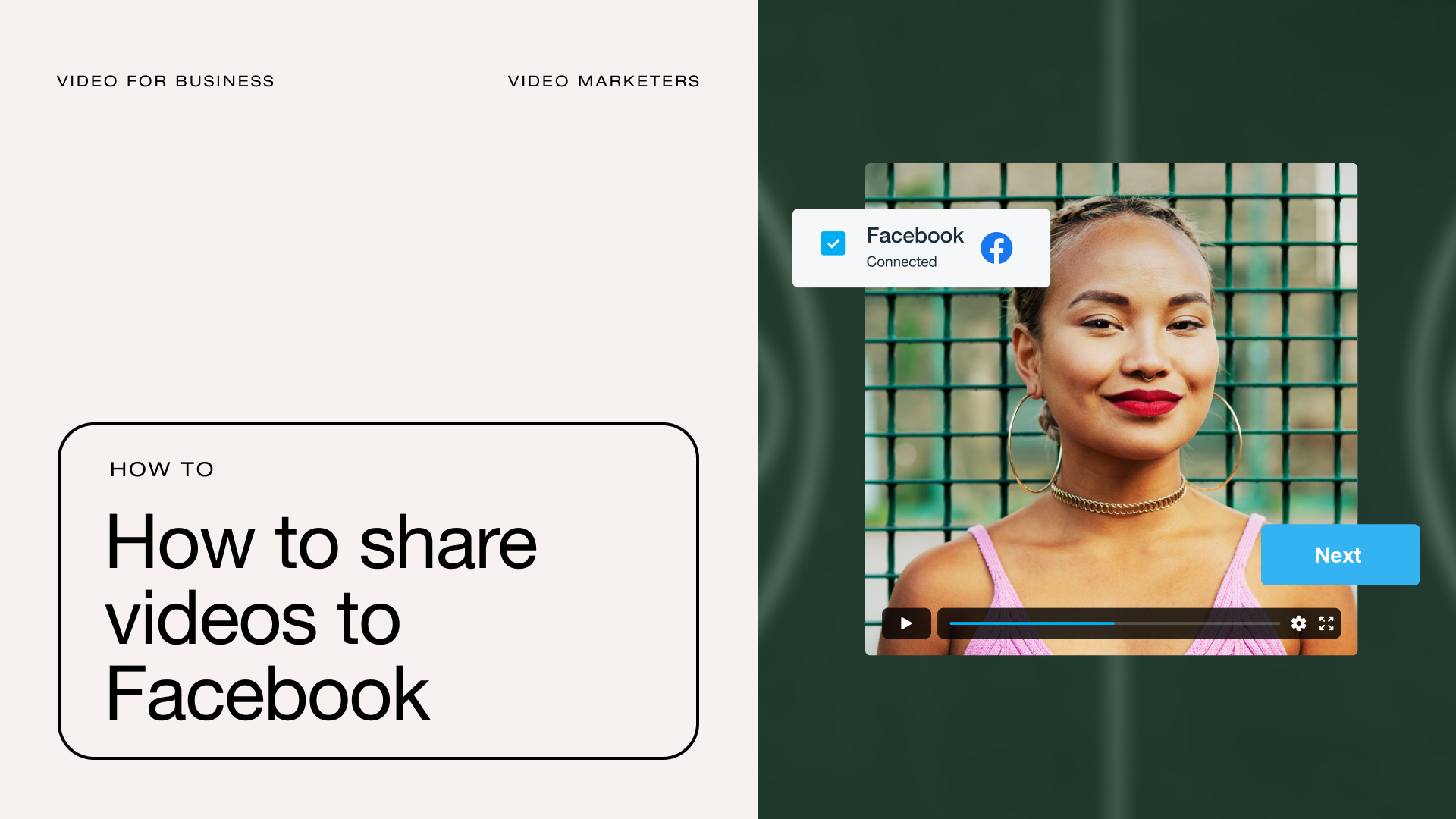
Facebook drives engagement best when your audience already follows your page or spends time in community groups where you can post your content. Distribution often comes from sharing and discussion in the feed, which can make it a solid option for community updates and event-style posts.
It’s also a practical channel when live moments matter. If you stream launches or behind-the-scenes content, sharing to Facebook makes it easy for viewers to react and share in real time.
LinkedIn works best as a professional content distribution platform: Think thought leadership, event recaps, and customer testimonials. If your audience includes buyers or decision-makers, distributing video here can make sense, even if it won’t perform as well on entertainment-first platforms.
You can upload to LinkedIn natively for reach, then direct interested viewers to a stronger asset like a landing page where you control the viewing experience.
X (formerly Twitter)
X can work as an amplification layer when conversations drive visibility. It’s useful for announcements, short clips, and threads that add context around a release, especially during a launch window.
Most teams still host their full video elsewhere, then use X to point viewers to the main upload and keep the release circulating through replies and reposts.
FAQ
How can I distribute music videos for free?
Upload your music video to free platforms like YouTube or TikTok, then share the link across your social media profiles. You can also embed the video on your site so fans have a reliable place to watch.
Do platforms offer promotional or marketing support for music videos?
Some platforms offer marketing support, but availability and depth varies. Most offer built-in tools like ads, boosted posts, and creator features, while others add video analytics you can use to refine targeting and timing. For organic support, look for features like recommendations and SEO capabilities for better discovery.
Which platforms are best for independent artists?
Video distribution platforms that support search and long-term discovery are usually the best places to start growing an audience. Instagram, TikTok, and YouTube Shorts can work well for short clips that introduce the video to new viewers. If you want more control over branding and the viewing experience, pair social media feeds with Vimeo and other platforms where you can personalize your video hosting experience.
How can I track and measure the performance of my distributed videos?
Start by tracking watch time, completion rates, and traffic sources using the platform’s analytics. If you’re sending people to your site from the video, add Urchin Tracking Module (UTM) parameters to the links so you can see which posts and platforms drive the best results.
Bring your distribution plan to life with Vimeo
Successful video distribution comes down to matching the right platform and approaches to your goal, whether that’s reach, monetization, or a polished viewing experience. When you plan for the outcome you want, you stop guessing where to post and start building a consistent audience across every channel.
Vimeo’s video distribution gives you control over how your content plays, how you manage your videos, and what you learn from performance. You can also deliver your content to a global audience with customizable branded apps powered by Vimeo, so they can watch your videos wherever, whenever.