Running a podcast can seem like a daunting task, but these days it doesn't take much to get started. You just need a bit of equipment (some of which you may already have) and a great idea, plus tools for quality recording and easy publishing.
Making the right choices early on gives you a head start on building a strong brand and attracting an audience. In this guide, we’ll walk through how to start a video podcast and offer some tips for success.
Why the best podcasts are video-based
If you want to start a podcast for free and make money doing it, video is the way to go.
Video podcasts offer meaningful benefits over audio-only content, because they:
- Drive engagement: You can offer all kinds of interactions to help your audience feel like active participants.
- Build connections: Videos put a recognizable, human face to your online presence.
- Enhance presentation: High-quality videos communicate professionalism and credibility.
- Improve discoverability: You can share your podcast on both audio and video-focused platforms.
- Give you material for reuse: For example, you can cut clips from your podcast episodes and share them on social media.
Start a video podcast today with Vimeo →
How to start a podcast and make money: 10 steps
Here’s a ten-step process that shows how to create a podcast with a strong foundation.
1. Choose your topic and niche
The most important decision you’ll make about your podcast is which topic to cover. If you don’t already have something in mind, choose a subject you’re both knowledgeable in and passionate about, so you can share useful information long-term without getting bored.
It’s also important to pick a topic that’s narrow enough to differentiate your podcast from competitors, but deep enough to support months or years of episodes.
2. Define your audience
Take some time to define exactly who your podcast content is for. Then choose someone in your life who resembles your target audience, and talk to them about what they look for in a podcast and what interests them about your topic. Use this information to build an audience profile you can reference when planning episodes.
3. Choose a podcast format
Select a format that sets your podcast up for long-term success; ideally something you can scale up as you gain experience. Here are a few key decisions you’ll need to make:
- Audio only versus a video podcast: Starting with video helps you reach a wider audience. You can post the audio from your video podcast for listeners on Spotify or Apple Podcasts, but that doesn’t work the other way around.
- Solo show versus interviews versus co-hosts: Consider bringing in a partner to co-host your podcast and shoulder some of the workload. You can also offer your audience a broader range of perspectives through expert interviews.
- Episode length: Decide how long you want each episode to be, so you have a framework when writing scripts or preparing notes. Your podcast can be short-form (under 20 minutes), mid-length (20 to 45 minutes), or long-form (over 45 minutes).
- Publishing cadence: You can publish episodes daily, monthly, or somewhere in between. A predictable schedule is key to building an audience, so when in doubt start small with a cadence you know you can sustain.
4. Name your podcast and build your brand
Decide on a name for your podcast that’s both memorable and specific; try to convey your style and subject matter in one to three words. Keep your topic and audience in mind, and do some keyword research if needed to gather ideas.
Once you have a name, it’s time to create a logo and other visual assets. If Vimeo is your video platform, you can use a Brand Kit to keep everything organized and consistent.
5. Write your first scripts
Choose a high-level subject related to your larger topic, and prepare the scripts for your first few episodes. For example, if your podcast is about history, you might give a brief overview of your favorite historical period.
Here’s what to include in each podcast episode script:
- Hook: Introduce yourself to the audience, and add a hook that asks an intriguing question or previews an interesting topic.
- Brief intro and episode promise: Unpack your hook with a thesis statement that outlines what you’ll cover in the episode and why that will be useful to viewers.
- Main content: Depending on your comfort level, write out a word-for-word script or prepare a thorough list of talking points and notes. Get input from co-hosts if you have them, and put together questions for any guests.
- Call to action and sign-off: Wrap up your video by inspiring viewers to take a specific action, like contacting their local representatives or getting started on a DIY project. End with a sincere request to subscribe to your podcast and share it.
To speed up this process, check out Vimeo’s AI Script Generator, which can generate first drafts that include all these essential elements. Edit the result to add your expertise, speak directly to your audience, and incorporate your unique voice.
Try Vimeo’s AI Script Generator →
6. Set up your recording equipment
You don’t need much to start a podcast. Many smartphones make capable webcams, and industry-standard microphones like the Blue Yeti and Rode Procaster are often available at steep discounts. Video editing software has also improved over the years, so there are many free and inexpensive options.
Set your video equipment up in a quiet room where you can avoid distractions. Place your camera a few feet from your face, and use three-point lighting to make sure you’re well-lit. Test your microphone too, and position it so it’s comfortable to speak into.
If you’re recording with Vimeo, once your equipment is ready you can simply select your camera and microphone, then upload your script to the teleprompter. Do a few test takes, and get your voice ready with some vocal warmups.
7. Record your first episode
Picture your target audience as clearly as possible, and pretend they just asked you a question about the episode’s subject. When you’re in the right headspace, hit the record button and start reading from the teleprompter.
Don’t restart if you misspeak or throw in too many “ums” — you can fix those issues later on. Record from beginning to end a few times, and keep every take. The more material you have, the easier editing should be.
8. Edit the episode
Pick the best recording and open it in your video editor. Generate a transcript and read through that as you watch the recording. Use text-based editing to remove unnecessary pauses and retakes.
If you find a section you know was better in a different take, slice it out and use transitions or graphics to cover visual cuts. Then add your logo, intro and outro music, and graphics by placing them in the video timeline.
9. Host and distribute your podcast
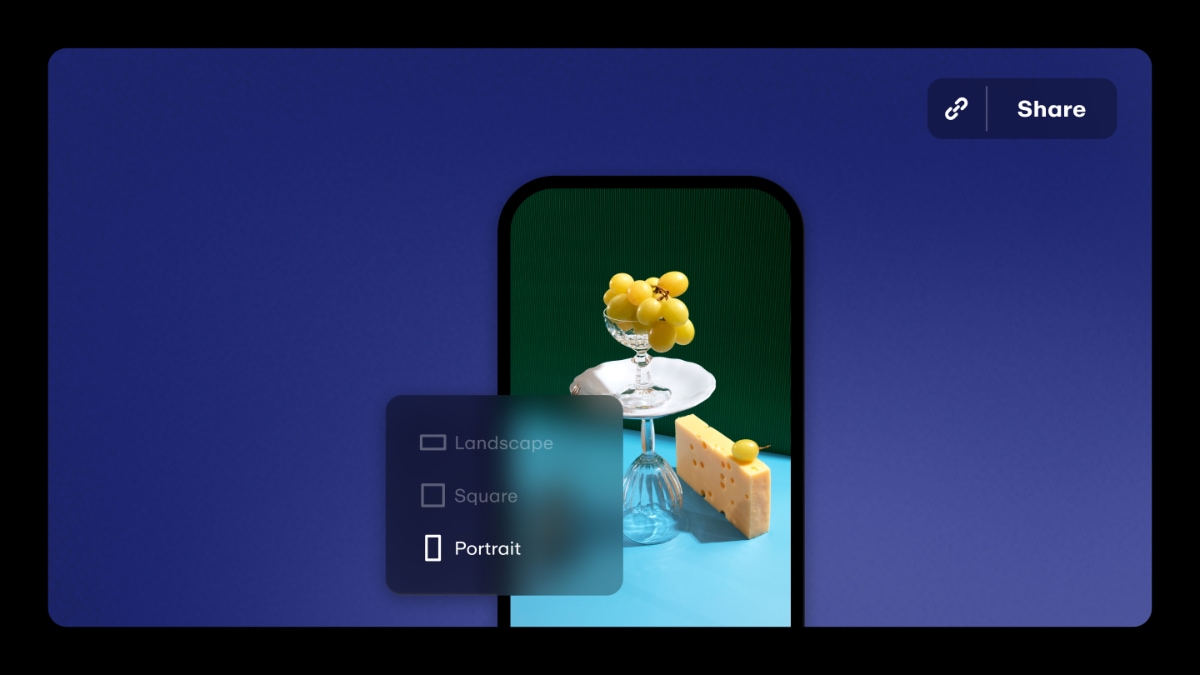
Once you’re happy with both the video and audio, save your episode and open Vimeo’s publishing options. You can share the content to all your platforms simultaneously, including TikTok and YouTube.
If you ever need to update the episode, you can change it in one place and your tweaks will sync everywhere. You can also take the audio and share it separately on podcast platforms.
10. Promote the podcast and grow your audience
Now you’re ready to get the word out about your podcast and attract viewers. Share a link on social media and your website, and send it to your network or email subscribers. You can also look for platforms and groups focused on your topic, and share a post promoting your content. Then keep an eye on your video analytics for insights about what’s working and what needs adjustment.
How to monetize your podcast
After you’ve engaged a small audience, you can start monetizing that attention. Here are a few ways podcasters make money:
- Sponsorships and brand deals: Many brands offer sponsorship deals on the condition that you read a personal endorsement during each episode.
- Listener subscriptions: With a service like Vimeo Live Streaming, you can create custom subscription tiers for your regular viewers.
- Affiliate marketing: Some brands offer custom discount codes you can share with viewers — you'll earn a small commission if someone makes a purchase through one of your affiliate links.
- Premium content: Some podcasters slice up their episodes, giving a shorter version to free viewers and locking the full content behind a premium subscription.
- Bonus episodes and events: You can offer specific paid episodes that dive deeper into key topics, or plan workshops for the most dedicated viewers.
See how the right tools make it easy to start your podcast
The more you plan ahead, the better positioned your new podcast will be. It’s tempting to hit record as soon as you have an idea, but it’s easier to build a following with a clear audience in mind and an optimized setup. Don’t forget to set a reliable publishing schedule, and produce a few episodes before you start sharing so you have some breathing room.
Vimeo’s all-in-one platform will support you during every step of that process. You get all the recording, editing, publishing, and sharing tools you need for a quality video podcast. From one place, you can share your episodes widely and track audience engagement.